MENU CLOSE
1600 S DIXIE HWY SUITE 303, BOCA RATON, FL 33432

Short answer: if your skin is oily, powder brows typically outlast microblading — and heal cleaner, too. Oil softens and blurs the fine strokes microblading depends on, while the machine-shaded pixels of powder brows are built to hold on exactly this skin type.

iBeauty Makeover is a Semi-Permanent Makeup and laser tattoo removal studio in Boca Raton, FL, and oily or combination skin is one of the most common things we assess at consultations — South Florida heat and humidity practically guarantee it. Here’s the honest breakdown of how each technique behaves on oily skin, and how we’d guide you.
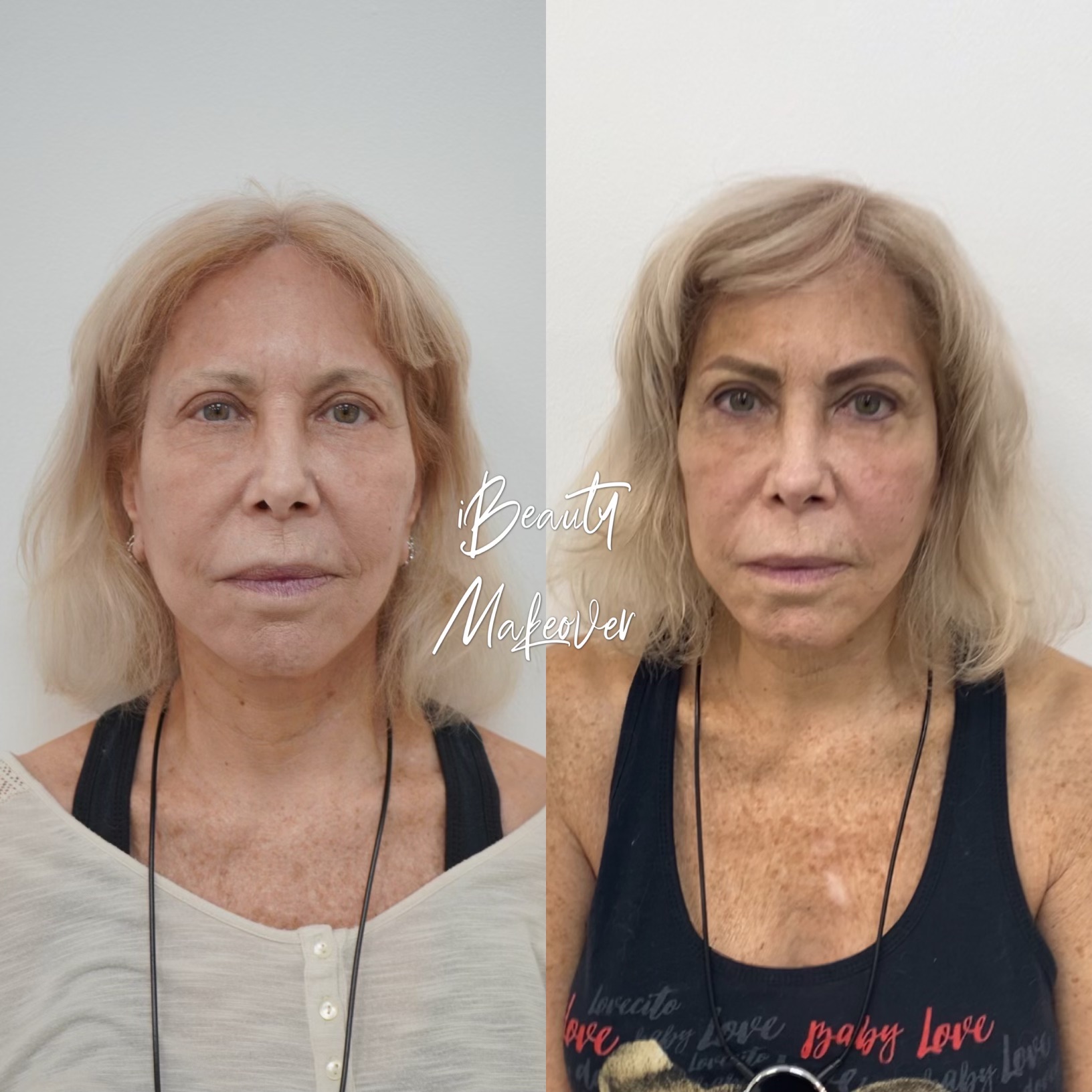
Powder brows for oily skin at iBeauty Makeover in Boca Raton, FL

Why Oily Skin Changes the Brow Equation

Both microblading and powder brows are Semi-Permanent Makeup: pigment placed into the upper layers of the skin. The difference is the pattern. Microblading lays down crisp, hair-like strokes with a fine manual tool; powder brows use a machine to build thousands of tiny pigment dots into a soft, filled-in shading.

Oily skin produces more sebum, and sebum works against crisp lines from two directions. During healing, extra oil can push out pigment and soften edges before they ever set. Over the months that follow, the skin’s oil and faster cell turnover keep diffusing whatever line remains. Microbladed brows on oily skin often heal “powdery” anyway — just without the evenness you’d have gotten from actual powder brows. Shading doesn’t have that problem: there are no fine lines to lose, so a little diffusion just makes the finish softer, not messier.

Powder Brows vs Microblading on Oily Skin: Side by Side

On Oily Skin Microblading Powder Brows
How it heals Strokes often blur, thicken, or heal patchy as oil disrupts the fine lines Heals predictably — soft shading is designed to look diffused
How it wears over time Fades faster and less evenly; strokes can merge into a blurry patch Softens gradually and evenly, keeping a clean makeup-style finish
Typical longevity* Often toward the short end of the roughly 1–2 year range Roughly 1–3 years, and it holds color better between refreshes
Healed look Meant to be hair-like, but rarely stays that way on oily skin Soft, filled-in brow — like your brow makeup, minus the morning routine
Our recommendation Usually not the best value for oily skin The technique we most often recommend for oily and combination skin

*Longevity is always a range, never a guarantee — it varies by individual. Skin type, sun exposure, skincare ingredients like retinoids and acids, and how your body metabolizes pigment all play a part.

So Which Lasts Longer? The Honest Answer

On oily skin, powder brows win on both durability and the way they age. It isn’t only that microblading fades faster — it’s that it fades worse. A powder brow that has softened still looks like a lighter powder brow; microbladed strokes that have blurred look like a smudge that needs fixing. South Florida sun pushes both toward the faster end of any fading range — daily SPF once healed is non-negotiable, and an occasional color refresh keeps either technique looking intentional.

One more honest note: on very oily skin, no technique will hold like it does on dry skin. What changes is how gracefully it wears — and that’s the case for shading.

What About Ombré Brows or a Combination?

Ombré brows — a machine-shaded gradient that stays lighter at the front of the brow — are the middle path, and they also perform well on oily and combination skin. Some artists offer combo brows (strokes at the front, shading through the body), but on genuinely oily skin the stroke portion still faces the same blurring problem, so we assess skin type first and recommend accordingly. For the full three-way rundown of looks and maintenance, see our microblading vs. ombré vs. powder brows guide; the short version for oily skin is simple: machine shading, in whichever style suits your taste.

Stack the Odds: Prep and Aftercare for Oily Skin

Technique choice is the biggest lever, but healing habits are a close second — and they’re the part you control. Review the Semi-Permanent Makeup pre-care instructions before your appointment, then follow the Semi-Permanent Makeup aftercare guide closely: keep the area clean and dry while it heals, don’t pick flaking skin, and keep retinol and exfoliating acids away from the brow area. Once healed, SPF is what protects your color long-term in the Florida sun.

Already Have Microblading That Blurred?

If you’re reading this because earlier microblading turned into a gray or reddish smudge, don’t book a cover-up blindly — shading new pigment over blurred old pigment is how brows end up muddy. iBeauty Makeover offers Semi-Permanent makeup removal alongside laser tattoo removal in Boca Raton, so old work can be lightened first and fresh powder brows applied to clean skin. One studio, both sides of the process — and a consultation tells you which order makes sense for your brows.

Frequently Asked Questions

Should I get powder brows or microblading if I have oily skin?

Powder brows, in most cases. Machine shading holds and heals predictably on oily skin, while microblading strokes tend to blur and fade unevenly. At our Boca Raton studio we assess your skin type at a free consultation before recommending either technique.

Why does microblading blur on oily skin?

Excess sebum softens the crisp pigment strokes microblading relies on — both during healing, when oil can push pigment out, and over time, as oil and faster skin turnover diffuse the lines. The strokes gradually widen and merge, healing powdery instead of hair-like.

How long do powder brows last on oily skin?

Typically somewhere in the one-to-three-year range before fading becomes noticeable, though it always varies by individual. Sun exposure, skincare products, and lifestyle all affect longevity, so we talk in ranges and recommend an occasional color refresh rather than promising a fixed timeline.

Are powder brows too bold for a natural look?

No — density is adjustable. Powder brows can be built as a soft, barely-there tint or a fuller makeup-style finish, and healed results are noticeably softer than fresh photos suggest. If you want maximum subtlety on oily skin, ombré shading keeps the brow front especially light.

Book Your Free Brow Consultation in Boca Raton

The right brow technique is the one your skin will actually hold onto — not the one trending on Instagram. At iBeauty Makeover in Boca Raton, every appointment starts with a free consultation where we assess your skin type, look at any existing brow work, and recommend the technique we’d choose if it were our own face.

Lip blush is a Semi-Permanent cosmetic tattooing technique that adds soft, natural-looking color and definition to your lips — think “your lips, but better,” not lipstick. The appointment takes a couple of hours, healing runs about four to six weeks, and the finished result is a subtle everyday tint.

iBeauty Makeover offers lip blush at our Boca Raton studio, located inside South Florida Laser Studio and serving clients from Delray Beach, Deerfield Beach, and across Palm Beach County. Here’s the honest walkthrough we give every client — the appointment, the real day-by-day healing, and how the healed color settles.
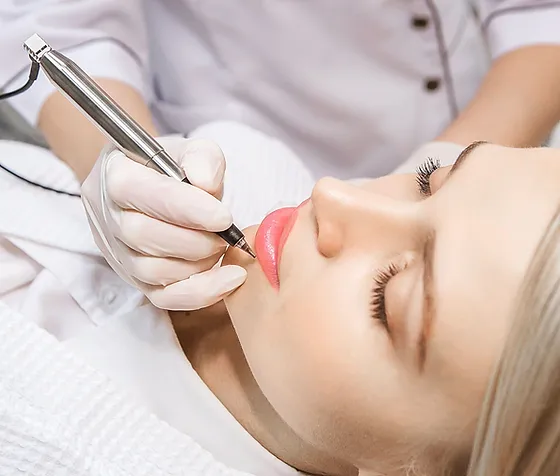
Lip blush Semi-Permanent Makeup at iBeauty Makeover in Boca Raton, FL

What Is Lip Blush, Exactly?

Lip blush deposits pigment into the upper layers of the lips using a specialized handheld tool, building a sheer wash of color that enhances your natural lip tone and shape. It evens out patchy pigmentation, softly defines a blurred lip border, and brings warmth back to lips that have lost color — without the overdrawn, obviously-done look people fear.

Because it’s Semi-Permanent, the color softens and fades gradually over time rather than staying forever — a feature, not a flaw. Most clients simply book an occasional color refresh when the tint has softened more than they’d like.

What to Expect at Your Lip Blush Appointment

Every lip blush appointment at our Boca Raton studio starts with a conversation, not a needle. We look at your natural lip tone and undertones, talk through the color you want in real life (not just on Instagram), and map your lip shape together before anything is decided. You approve the mapped shape and the pigment shade first — nothing is a surprise.

A topical numbing cream is applied before and during the work, so most clients describe the sensation as scratching or light pressure rather than pain. The pigment is then layered in gradual passes to build a soft, even tint. Plan for roughly two to three hours, and review your Semi-Permanent Makeup pre-care instructions beforehand — small things genuinely affect how well your lips take pigment. If you get cold sores, tell us at your consultation — lip tattooing can trigger an outbreak, and your doctor can prescribe a preventative antiviral first.

Lip Blush Healing: The Real Day-by-Day Timeline

Healing is where lip blush surprises people: the color changes dramatically along the way. Knowing the stages ahead of time keeps you from panicking at day five.

Stage What You’ll See What to Do
Days 1–3 Color looks bold and dark — often 30–50% more intense than the healed result. Mild swelling and tenderness. Keep lips clean and lightly moisturized per your aftercare sheet. No kissing, spicy food, or hot liquids on day one.
Days 3–7 Light flaking and peeling as the surface heals. Color starts to soften. Do not pick or peel — let flakes release on their own or you can pull pigment out with them.
Days 7–14 The “ghost phase”: color can look faint or almost gone. This is normal and temporary. Nothing — wait. The pigment is settling beneath the healing surface layer.
Weeks 4–6 True color blooms back through as skin fully regenerates. This is your real healed result. Evaluate the color now, not earlier. A perfecting visit can be scheduled if adjustments are wanted.

Timelines are typical ranges, never guarantees — healing varies by individual. Follow your Semi-Permanent Makeup aftercare guide closely during the first two weeks; aftercare is the part of the result you control.

Healed Results: What Lip Blush Really Looks Like

The photos you see online are usually taken minutes after the appointment, when pigment is at its darkest. The healed result — the one you’ll actually live with — is noticeably softer: a sheer, even tint that reads as naturally rosy lips rather than makeup.

How long it lasts is always a range, typically a couple of years before fading becomes noticeable, and it varies with your skin, your lifestyle, and — here in South Florida — the sun. Outdoors year-round? Expect faster softening, and wear SPF lip balm religiously once healed. When you research any artist, ask to see healed results, not just fresh ones; our before and after gallery shows real outcomes from our studio.

Who’s a Good Candidate — and Who Should Talk to Us First

Most healthy adults who want low-maintenance lip color are good candidates. A consultation matters more if you have very cool or dark natural lip undertones, a history of cold sores, keloid scarring, or conditions or medications that affect healing — bring your questions and we’ll give straight answers.

One more group: anyone with old lip liner or lip tattoo work they don’t love. Old pigment changes how new color heals, so covering it blindly is how lips end up muddy. iBeauty Makeover also offers Semi-Permanent makeup removal and laser tattoo removal in Boca Raton, so faded or discolored older work can be lightened before fresh color goes in — one studio, both sides of the process.

Frequently Asked Questions

What should I expect from lip blush in Boca Raton?

Expect a consultation and shape-mapping first, a two-to-three-hour appointment with numbing cream, about four to six weeks of healing, and a soft, natural healed tint. At iBeauty Makeover in Boca Raton, you approve the mapped shape and pigment shade before any work begins.

How long does lip blush take to heal?

The surface typically heals in about one to two weeks, but true healed color takes roughly four to six weeks to fully bloom back. Expect bold color the first few days, light peeling, then a faint “ghost phase” before the final tint settles in. Timelines vary by individual.

How long does lip blush last?

Lip blush is Semi-Permanent and typically lasts a couple of years before noticeable fading, though it varies by individual. Sun exposure, skin type, and lifestyle all affect longevity — especially in South Florida — which is why we talk in ranges and recommend occasional color refreshes rather than promising a fixed timeline.

Does lip blush hurt?

Most clients describe it as scratching or light pressure rather than pain. A topical numbing cream is applied before and during the appointment, and sensitivity varies by individual. Lips are more sensitive than brows, but the majority of our Boca Raton clients find it far more comfortable than expected.

Book Your Free Lip Blush Consultation in Boca Raton

The best lip blush result starts with honest color advice for your lips, your undertones, and your lifestyle — and that’s exactly what the free consultation is for. At iBeauty Makeover in Boca Raton, we’ll map your shape, match your shade, and tell you plainly whether lip blush is the right fit.

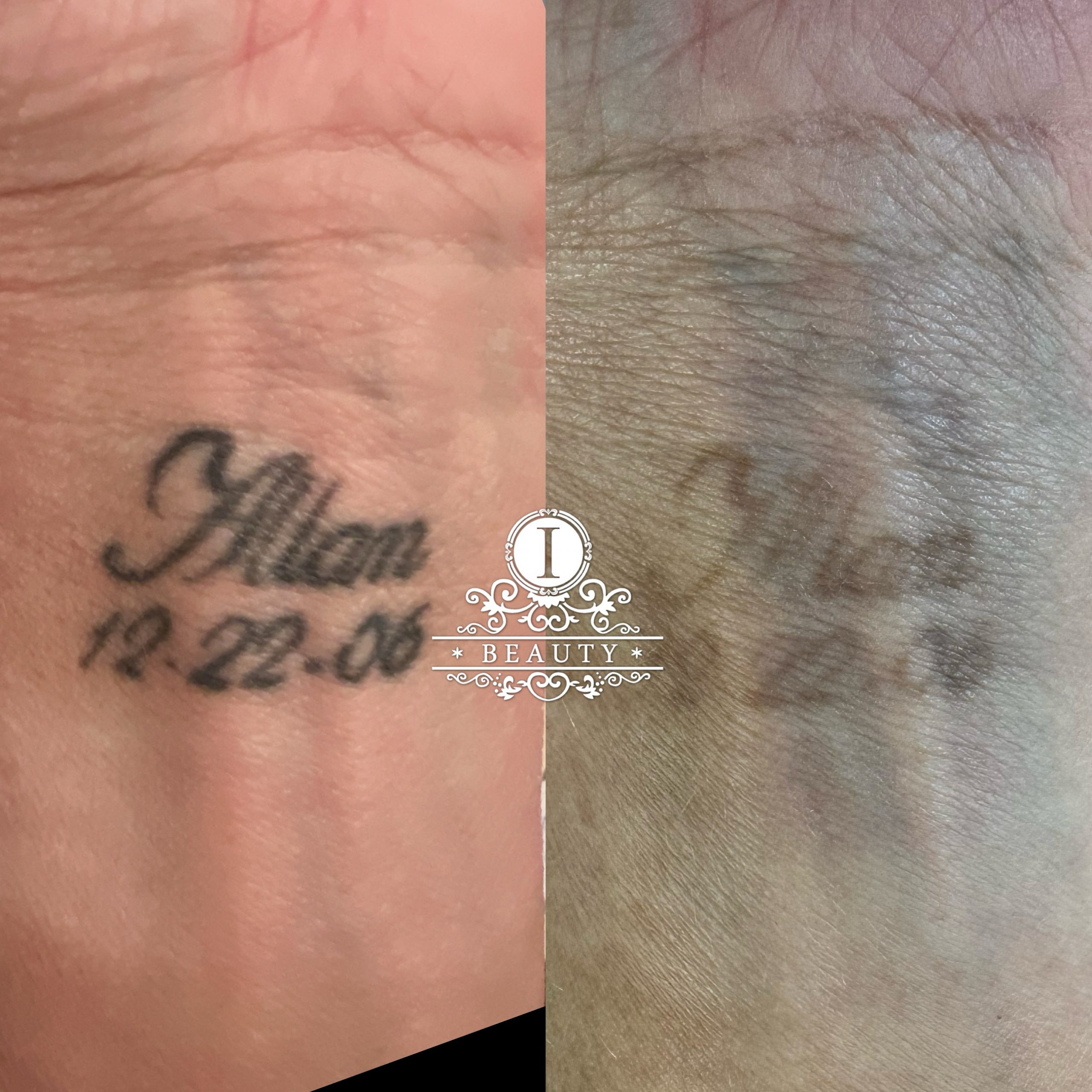
Laser tattoo removal treatment result at iBeauty Makeover in Boca Raton, FL

Wondering what happens after your session? Tattoo removal heals in stages: redness and tenderness in the first days, scabbing and flaking over the first two weeks, then deeper skin recovery and pigment clearing in the weeks after. Every timeline varies by individual.
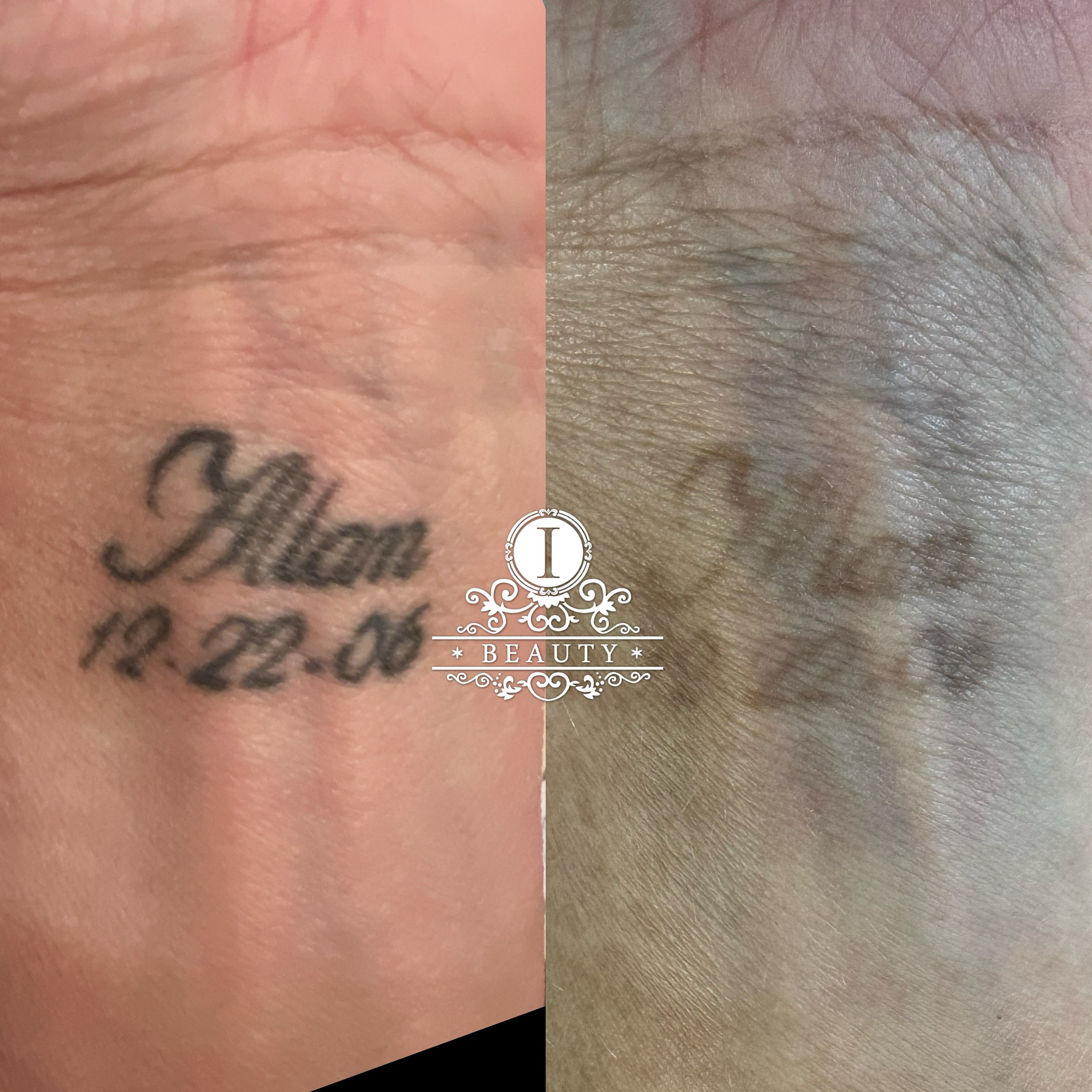
Laser tattoo removal healing at iBeauty Makeover in Boca Raton, FL

iBeauty Makeover is a Semi-Permanent Makeup and laser tattoo removal studio in Boca Raton, FL, guiding clients across Palm Beach County through every step of the removal journey. Knowing what to expect week by week takes the anxiety out of the process—so here’s an honest, stage-by-stage look at healing.

Book Your Free Consultation

Why Healing Happens in Stages

Laser removal doesn’t erase a tattoo instantly. It breaks pigment into tiny particles that your body clears gradually over the following weeks. That means healing isn’t a single event—it’s a sequence, and each stage plays a role. Your immune system does much of the quiet work, flushing away broken-down ink long after the surface looks fine. Understanding the sequence helps you care for your skin correctly at every point, and it explains why the days right after a session look and feel different from the weeks that follow. For the full picture on treatment itself, see our tattoo removal in Boca Raton page.

Week-by-Week Healing Timeline

The stages below are a general guide. Your actual experience depends on the size, colors, age, and location of your tattoo, plus how your skin responds—so treat this as a map, not a stopwatch.

Stage What You May Notice What to Do
Days 1–3 Redness, swelling, tenderness, possible frosting Keep clean and covered; gentle care only
Days 4–7 Scabbing or blistering may form; itching begins Do not pick or scratch; moisturize as directed
Days 8–14 Scabs flake off; skin looks pink or lighter Protect from sun; avoid friction and soaking
Weeks 2–6 Surface heals; pigment continues to fade internally Sun protection; wait for your next scheduled session

Days 1–3: Immediately After

Right after treatment, expect redness, mild swelling, and tenderness—a bit like a sunburn. You may see a temporary white frosting that settles quickly. Keep the area clean and protected, and resist the urge to fuss with it. This is your skin beginning its repair work.

Days 4–7: Scabbing & Blistering

Scabs, and sometimes small blisters, can appear now. This is a normal part of healing for many clients. The golden rule: do not pick, pop, or scratch. Interfering with scabs can affect your results and your skin. Moisturize gently only as your specialist directs.

Days 8–14: Flaking & Fading

Scabs begin to flake away on their own, revealing pinker or lighter skin underneath. Itching is common—keep the area protected from sun and avoid soaking or heavy sweating. Resist the temptation to help scabs along, even when they feel loose; letting them release naturally protects the fresh skin forming beneath.

Weeks 2–6: Deeper Clearing

The surface may look healed, but your body is still clearing broken-down pigment beneath the skin. This is why sessions are spaced several weeks apart—your skin needs time. How much the tattoo fades in this window varies by individual. Patience here protects both your skin and your final result.

Aftercare That Makes the Difference

Your results depend heavily on what you do between visits. Boca Raton’s sunny climate makes sun protection especially important—UV exposure on healing skin can affect pigment and prolong recovery. Keep the area clean, moisturized as directed, and shielded from the sun.

We give every client a clear, written plan. For the complete routine, follow our laser tattoo removal aftercare guidance step by step. Consistent aftercare is genuinely the biggest lever you control in your healing timeline.

What’s Normal vs. What to Watch

Redness, swelling, mild blistering, scabbing, itching, and temporary lightening or darkening of the area are all common parts of healing. Every person recovers differently, so some variation is expected. That said, if you notice anything that feels wrong to you—unusual pain, spreading warmth, or signs that concern you—reach out to us and consult a medical provider promptly.

Why Boca Raton Clients Trust iBeauty Makeover

Removal is a partnership. We handle the treatment with licensed care, and we coach you through the healing so you’re never guessing. Clients across Boca Raton, Delray Beach, and Palm Beach County come to us for honest timelines, no session-count promises, and steady guidance from start to finish. Your skin is unique, and your plan should be too.

Ready to Move Forward?

Whether you want to fade an old brow tattoo or start fresh, the first step is a conversation. Our Boca Raton team will look at your skin, your existing pigment, and your goals, then walk you through realistic options.

Frequently Asked Questions

How long does tattoo removal take to heal after each session?

Most surface healing settles within a couple of weeks, though full skin recovery and pigment clearing continue longer. Healing varies by individual, tattoo size, and location. Following your aftercare guidance closely is the single biggest factor in a smooth recovery.

Is it normal for the area to blister or scab?

Yes, mild blistering, scabbing, or frosting can be a normal part of healing. Never pick or pop—let everything resolve on its own to protect your skin. If anything looks concerning or unusually painful, contact us and check with a medical provider.

When can I shower or exercise after tattoo removal?

Gentle showering is usually fine soon after, but avoid soaking, heavy sweating, and friction on the area while it heals. Timelines vary by individual. Your specialist gives you specific guidance based on your treatment and how your skin responds.

How do I keep the treated area from getting darker?

Sun protection is essential—keep the area covered or use sunscreen once healed, since sun exposure can affect pigment and healing. Following your full aftercare plan also helps your results progress evenly between sessions.

How long should I wait between tattoo removal sessions?

Sessions are typically spaced several weeks apart so your skin can heal and clear faded ink. The exact interval varies by individual and how your body responds. Rushing the process can stress your skin, so we pace treatments for the best long-term result.

What helps tattoo removal heal faster?

Keeping the area clean, moisturized as directed, protected from sun, and free from picking gives your skin the best chance to recover well. Healing speed varies by individual. Consistent aftercare between visits makes the biggest difference.
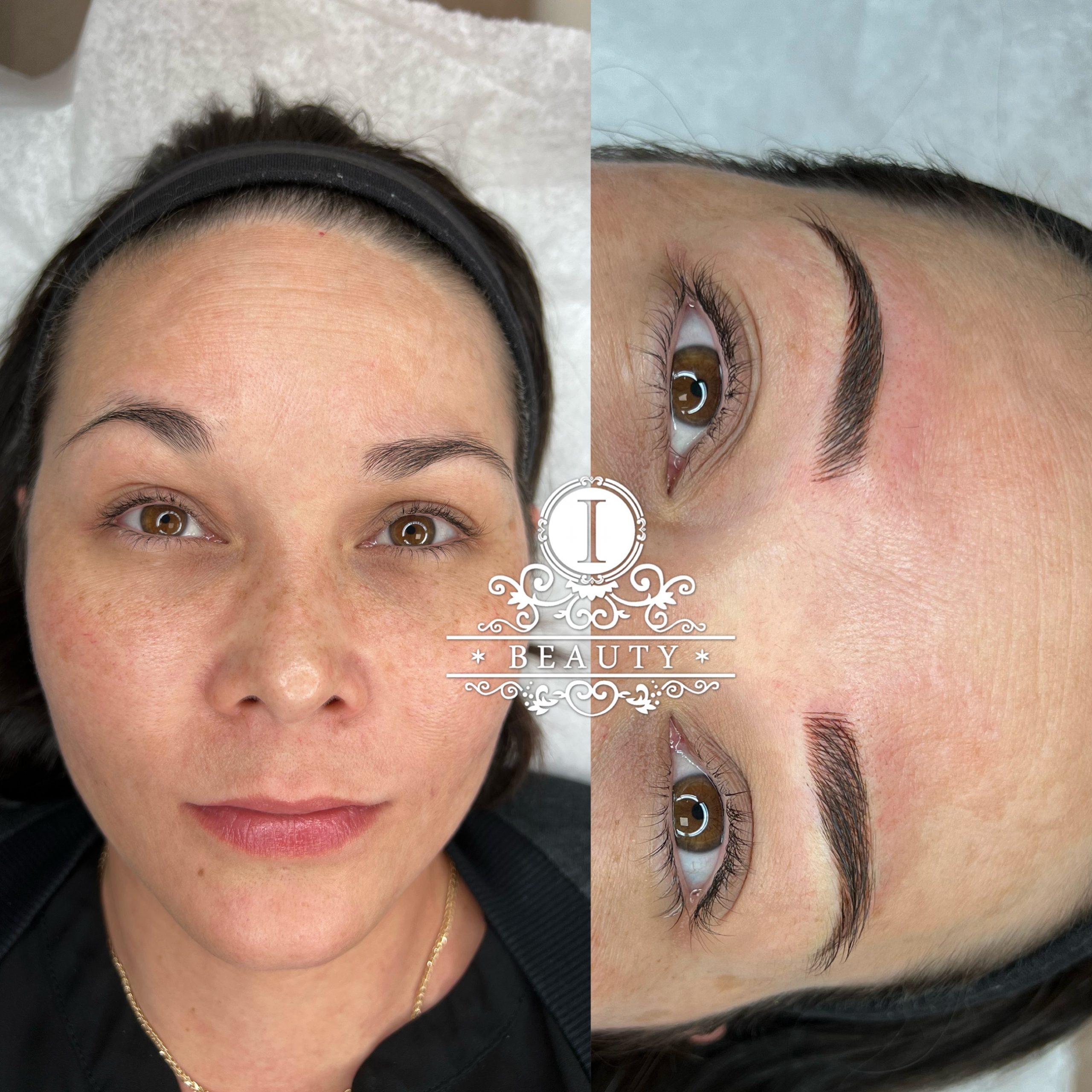
Microblading and permanent eyebrow makeup by iBeauty Makeover in Boca Raton, FL

Don’t love your brow tattoo? You have real options. Old Semi-Permanent Makeup can be faded or removed with laser or saline treatments, or corrected with a fresh application. The right path depends on your pigment, skin, and goals—and results vary by individual.
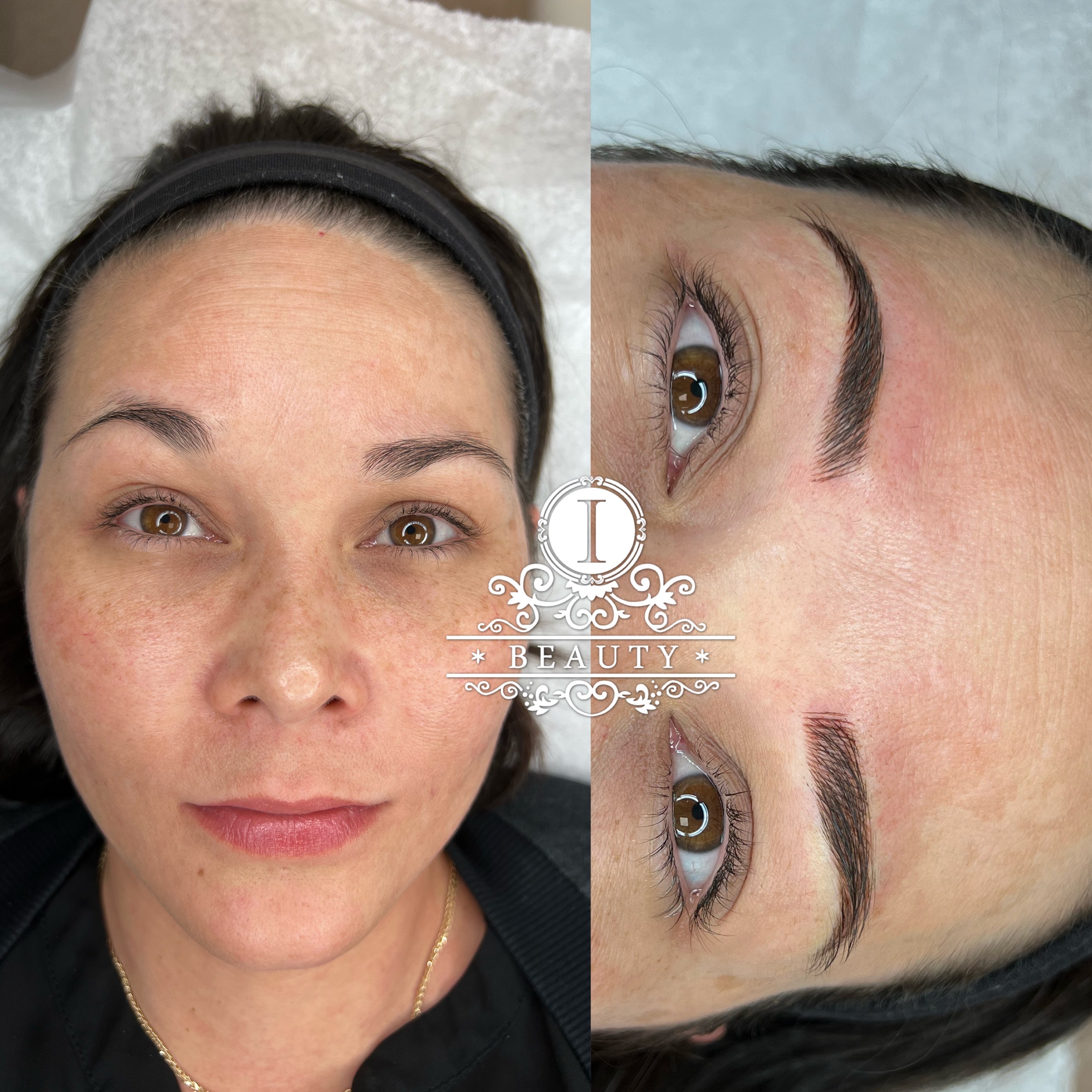
Semi-Permanent Makeup brow removal and correction at iBeauty Makeover in Boca Raton, FL

iBeauty Makeover is a Semi-Permanent Makeup and laser tattoo removal studio in Boca Raton, FL, helping clients across Palm Beach County look and feel their best. If your brows didn’t heal the way you hoped, faded to an odd tone, or simply no longer suit your face, you’re not stuck with them. Below, we break down every option so you can make a calm, informed decision.

Book Your Free Consultation

Why Brow Tattoos Sometimes Go Wrong

Semi-Permanent Makeup is an art form, and even beautiful work can change over time. Pigment can shift color as it fades—warm browns sometimes turn reddish or grey. Shapes that were trendy a few years ago may not match your current style. And occasionally, work done elsewhere heals unevenly or sits too dark.

None of this means your brows are ruined. It simply means it’s time to explore correction or removal. The good news: modern techniques give you more control than ever, and here in Boca Raton you have specialists who work on brow pigment every single day.

Your Three Main Options

When you don’t love your brow tattoo, your choices generally fall into three buckets. The best one for you depends on how much pigment needs to change and where you want to end up.

1. Laser Removal

Laser targets and breaks down pigment so your body can gradually clear it. It’s a proven approach for many darker brow pigments and is the same family of technology used for body tattoos. Because brow pigment can contain a mix of colors, a specialist evaluates your brows first to confirm laser is a good fit. Learn more about our tattoo removal in Boca Raton.

2. Saline Removal

Saline (non-laser) removal uses a salt-based solution to lift pigment from the skin over a series of gentle sessions. Many clients like it for the delicate brow area, and it can be a strong option when pigment colors make laser less predictable. As with any method, results vary by individual.

3. Correction & Cover-Up

Sometimes you don’t need full removal—you need refinement. A skilled artist can sometimes reshape, re-color, or soften existing pigment with a new Semi-Permanent Makeup application. This works best when the old work is relatively light and well-placed.

Laser vs. Saline vs. Correction: A Quick Comparison

Option Best For What to Know
Laser Removal Darker pigments, significant fading needed Multiple sessions spaced over time; results vary by individual
Saline Removal Delicate areas, tricky pigment colors Gentle, gradual lifting; spacing between sessions required
Correction / Cover-Up Light existing pigment you want reshaped No removal needed if old work is faint enough

Not sure which lane you’re in? That’s exactly what a consultation is for. We serve clients throughout Boca Raton, Delray Beach, and Deerfield Beach, and we’ll tell you honestly which approach fits your brows—even if that means recommending you wait.

What the Removal Process Feels Like

Whether you choose laser or saline, removal happens gradually across multiple visits spaced several weeks apart to let your skin heal. You won’t walk out with bare brows after one appointment, and anyone promising that isn’t being straight with you. Pigment fades in stages, and how quickly varies by individual.

Between sessions, aftercare matters. Following your specialist’s guidance closely helps your skin recover and your results progress smoothly. Our team walks you through Semi-Permanent Makeup care and aftercare steps so nothing is left to guesswork.

Can You Get New Brows Afterward?

For many clients, yes—removal is a bridge, not a dead end. Once old pigment is faded enough and your skin has fully healed, you can often move on to a fresh, modern brow. We plan removal with your future look in mind, so you’re not just erasing the past but building toward brows you’ll actually love.

If you’re weighing a full reset, our dedicated page on Semi-Permanent makeup removal in Boca Raton goes deeper on what to expect. It’s a helpful next read once you’ve decided removal is your direction.

Why Boca Raton Clients Choose iBeauty Makeover

We focus on brows and pigment work every day, which means we’ve seen the full range—from beautifully healed microblading to older tattoos that need patient correction. Clients across Palm Beach County come to us because we’re honest about timelines, transparent about pricing, and gentle with the sensitive brow area.

There are no session-count promises here, because your skin is unique. What we promise is a clear plan, realistic expectations, and a team that treats your brows like the delicate feature they are.

Ready to Move Forward?

Whether you want to fade an old brow tattoo or start fresh, the first step is a conversation. Our Boca Raton team will look at your skin, your existing pigment, and your goals, then walk you through realistic options.

Frequently Asked Questions

Can Semi-Permanent Makeup be removed completely?

In many cases pigment can be faded significantly or removed, though results vary by individual, ink depth, color, and how your skin responds. During your free consultation in Boca Raton we assess your brows and set honest expectations before any treatment begins.

Does removing a brow tattoo hurt?

Most clients describe it as tolerable—a warm, snapping sensation for laser, or mild stinging for saline. Comfort varies by individual and the area treated. We use numbing and gentle techniques to keep you as comfortable as possible throughout each visit.

How long do I wait between Semi-Permanent Makeup removal sessions?

Your skin needs time to heal and clear faded pigment, so sessions are typically spaced several weeks apart. The exact interval varies by individual and how your skin recovers. Your specialist sets a pace that protects the delicate brow area.

Can I get new brows after removal?

Often, yes. Once the old pigment is faded enough and your skin has fully healed, many clients move on to fresh Semi-Permanent Makeup. Timing varies by individual. We plan removal with your future brow goals in mind from the very first session.

Is laser or saline better for brow tattoo removal?

Neither is universally better—it depends on your pigment color, skin type, and goals. Laser suits many darker pigments, while saline can be gentler for some cases. Results vary by individual, so we recommend the approach that fits your specific brows.

How much does Semi-Permanent Makeup removal cost in Boca Raton?

Cost depends on the size of the area, the pigment, and how your skin responds, so pricing is quoted after we see your brows. We offer transparent per-session pricing and payment plans so you can plan with confidence.

Microblading and permanent eyebrow makeup by iBeauty Makeover in Boca Raton, FL

Microblading, ombré, or powder brows? A Boca Raton Semi-Permanent Makeup studio compares all three techniques — look, best skin type, longevity ranges, and maintenance — so you can choose the one your skin will actually hold.

Complete Guide to Brows: Expert Eyebrow Shaping, Products, and Trends

Brows are more than just a facial feature—they are a powerful tool for self-expression and framing the face. In recent years, precise eyebrow shaping and grooming have become essential elements of personal style and wellness. This comprehensive guide covers expert techniques for shaping, choosing the best eyebrow pencils, essential grooming tools, 2023 trends, effective filling techniques, and maintenance for healthy brows. It also explores home versus professional techniques, reviews methods like waxing, threading, and tweezing, and highlights advanced options such as microblading and brow lamination. RegenGroup supports clients in achieving their best look while maintaining overall wellness. With in‐depth explanations and practical tips, this guide makes it easy to achieve perfect brows.

Transitioning now, the main content is organized into several key sections, each addressing specific questions and offering actionable advice.

What Are the Best Eyebrow Shaping Techniques for Perfect Brows?

Choosing the right shaping technique depends on your facial structure and preferences. Common methods include tweezing, waxing, and threading. Tweezing offers precision for detailed work, waxing removes multiple hairs quickly, and threading provides accuracy for smaller areas. Each method has its benefits and challenges, so selecting one depends on factors like skin sensitivity and desired detail.

How to Shape Eyebrows at Home: Step-by-Step Methods

At home, begin by mapping your natural brow arch with a pencil from the nostril to the brow edge. Remove stray hairs outside this outline carefully using quality tweezers or a pre-waxed kit. Work in a well-lit area with a magnifying mirror. After shaping, apply a soothing gel and follow up with a nourishing oil or serum to keep your brows soft.

What Are the Pros and Cons of Waxing, Threading, and Tweezing?

Waxing removes several hairs at once for a clean look but may irritate sensitive skin. Threading is precise, ideal for intricate areas, though it can be uncomfortable and requires skill. Tweezing allows controlled, gradual removal but can be time-consuming for larger areas. Choose according to your skin’s needs, desired precision, and tolerance for discomfort.

Which Eyebrow Shaping Technique Suits Different Face Shapes?

Arched brows often enhance round faces by adding definition, while straighter brows suit angular faces. Softer curves complement oval faces, and bold, high arches balance square faces. For asymmetric brows, a combination of techniques may work best. Consulting a professional for the first session can help determine the most flattering method for your facial features.

How Often Should You Shape Your Eyebrows for Maintenance?

Ideally, shape your brows every three to four weeks, adjusting frequency based on your hair growth and method used. Avoid over-plucking by removing only stray hairs outside your natural line. For waxing or threading, allow extra time if your skin is sensitive, while home tweezing may be done more frequently with care.

Which Are the Best Eyebrow Pencils for Natural and Long-Lasting Results?

A quality eyebrow pencil should deliver a natural, defined look with a soft, buildable formula that matches your hair color. It should be waterproof and smudge-proof for active lifestyles. Notable products include revitabrow advanced, eye & brow maestro by Giorgio Armani, lipglazer, and lipglass air, all renowned for their longevity and smooth application.

What Features Make an Eyebrow Pencil Ideal for Different Skin Types?

For oily skin, a waterproof and smudge-proof formula is essential. Those with dry skin may need pencils enriched with hydrating ingredients to prevent flaking. A creamy texture that allows gradual layering and precise control is ideal. Dermatologists suggest products that are non-comedogenic, so they won’t clog pores near the eyes.

How to Choose the Right Eyebrow Pencil Shade for Your Brows?

Match your natural shade by choosing a pencil one to two shades darker. Dual-shade pencils can offer a softer base with a dark tip for definition. Always test in natural light to ensure the shade complements your skin tone. Innovative options like eye brows big boost fibre gel can aid in both defining and grooming.

What Are the Top-Rated Eyebrow Pencils in 2023?

In 2023, highly rated pencils include revitabrow advanced for its staying power, along with top formulations from Giorgio Armani, lipglazer, and lipglass air. These products are celebrated for their ease of blending, long wear, and ability to enhance brow appearance, making them popular among professionals and consumers alike.

How to Apply Eyebrow Pencils for a Natural Look?

Apply the pencil in short, hair-like strokes starting at the inner corner, following the natural hair growth pattern. Use a spoolie to blend and soften any harsh lines. Layer lightly for intensity and finish with a clear or tinted gel to set the shape and add subtle shine.

What Are the Essential Eyebrow Grooming Tools and How to Use Them?

Essential tools include precise tweezers, angled brushes, small brow scissors, and stencils. Advanced products like fibre gels also add definition and nourishment. The right tools ensure each grooming step—whether shaping, trimming, or filling—is performed accurately.

Which Grooming Tools Are Best for Shaping and Trimming Brows?

Opt for a high-quality pair of tweezers with a slanted edge for precise hair removal and small, curved brow scissors to trim longer hairs without altering the natural shape. Dual-action tools that combine tweezing and trimming functions can simplify your routine.

How Do Eyebrow Brushes and Stencils Help in Grooming?

Eyebrow brushes evenly distribute product and blend hairs for a natural look. Stencils act as guides to mark the starting, arch, and end points, aiding beginners in creating a symmetrical brow shape and minimizing errors.

What Are the Benefits of Using Eyebrow Gels and Powders?

Eyebrow gels set hairs in place and prevent frizz, providing a fuller, defined look. Powders fill in sparse areas without a heavy finish and are often enriched with vitamins and botanical extracts to promote hair strength. Their long-wear formulas mean less frequent reapplication.

What Are the Latest Eyebrow Trends for 2023 and How to Achieve Them?

In 2023, trends favor a natural yet sculpted look with full, fluffy brows that retain their natural shape. Techniques such as brow lamination, microblading, and microshading provide semi-permanent options that mimic natural growth. There is also a rising demand for sustainable and cruelty-free products.

How to Create the Popular Natural and Fluffy Brow Look?

Keep as many natural hairs as possible and use a tinted brow gel to enhance and volumize. A gentle upward brush adds lift and fullness. Incorporating nourishing serums into your routine supports healthy growth and maintains a soft, natural appearance.

What Is Brow Lamination and Who Should Try It?

Brow lamination restructures eyebrow hairs so they appear fuller, darker, and uniform. After applying a perming solution, a setting lotion locks the hairs in place, offering a polished look without daily upkeep. It’s ideal for those with unruly or sparse brows seeking a low-maintenance yet refined appearance.

How Do Microblading and Microshading Compare for Semi-Permanent Brows?

Microblading creates natural, hair-like strokes with a manual tool, producing very realistic results. Microshading uses a machine to apply pigment for a soft, powdered finish. The choice depends on your skin type, the desired intensity, and maintenance preference.

Which Sustainable and Cruelty-Free Brow Products Are Trending?

Consumers now favor brow products made from natural ingredients with eco-friendly packaging. Many brands are reformulating gels, pencils, and powders without harmful chemicals and ensuring no animal testing, aligning with ethical and environmental values.

How to Fill in Eyebrows: Techniques for Beginners and Experts?

Filling in brows blends enhancement with natural texture. Using pencils, powders, and gels, you can seamlessly fill gaps and enhance definition, whether you’re a beginner or experienced user.

What Are the Best Methods to Fill Sparse Eyebrows?

For sparse areas, start by outlining your brow with an eyebrow pencil using fine, hair-like strokes. Gradually layer light color and use powder to create a diffused finish. Tinted gels can then set the style and add extra density for a fuller look.

How to Use Eyebrow Stencils for Precise Filling?

Place an eyebrow stencil over your natural brow to guide your pencil strokes. The stencil marks the ideal arch and endpoints, ensuring even filling. Once filled, refine the shape with additional pencil strokes for added detail.

What Are Common Mistakes to Avoid When Filling Brows?

Avoid over-plucking or heavy application that can lead to a blocky look. Using a product shade that is too dark or too light may result in an unbalanced appearance. Always blend thoroughly with a spoolie to ensure natural gradation.

How to Match Filling Techniques to Different Brow Shapes?

Different shapes require different approaches; use gentle strokes for arched brows to maintain curves, and add more detail along the top for straighter brows. Visualize the brow as a framework for your face to maintain symmetry and balance.

How to Maintain Healthy Brows and Promote Natural Growth?

Regular care supports thicker, healthier brows. A routine that includes proper cleansing, moisturizing, and growth-promoting serums is key to maintaining vibrancy and preventing irritation.

What Is the Ideal Eyebrow Care Routine for Stronger Hair?

Start by gently cleansing with a mild cleanser, then apply a serum with peptides, biotin, and antioxidants to support hair strength. Regular eyebrow massages improve blood flow, and using a dedicated brow conditioner at night further strengthens the hairs. Avoid harsh chemicals and over-plucking.

Which Ingredients in Eyebrow Serums Support Growth?

Look for serums containing biotin, peptides, and copper peptides which help repair and strengthen hair. Botanical extracts such as green tea and ginseng offer antioxidant protection, while hyaluronic acid hydrates the skin, fostering an environment conducive to hair growth.

How Long Does It Take to See Results From Brow Growth Treatments?

Typically, slight improvements appear within four to six weeks of consistent use, with fuller, denser brows expected after three to four months. Results depend on individual hair cycles and overall care routines.

What Are the Most Frequently Asked Questions About Brows?

How Often Should I Shape My Eyebrows?

Experts suggest professional shaping every three to four weeks while at-home care should focus only on stray hairs to preserve natural thickness.

What Is the Best Way to Fill in Sparse Eyebrows?

Combine eyebrow pencils and powders using light, hair-like strokes and blend with a spoolie. A tinted gel can add fullness and keep the shape intact.

Can I Shape My Eyebrows at Home Safely?

Yes—by using proper techniques and clean, quality tools, you can safely shape your brows at home. Beginners may benefit from initial professional guidance.

How Do I Choose the Right Brow Style for My Face Shape?

For round faces, opt for a high arch that lifts the eyes; for square faces, softly rounded brows balance strong angles; and for oval faces, subtle curves usually work best. Experiment with stencils and consult a stylist if needed.

Frequently Asked Questions

Q: What is the most effective eyebrow shaping technique for beginners?A: Tweezing combined with eyebrow stencils is effective as it guides precise removal and maintains symmetry.

Q: Can professional eyebrow services improve the appearance of naturally sparse brows?A: Yes, procedures like microblading or brow lamination add definition and create the illusion of fuller brows.

Q: How should I care for my brows after shaping to avoid irritation?A: Use a soothing, alcohol-free gel or serum post-shaping, and moisturize regularly while avoiding over-plucking.

Q: Are there any risks associated with at-home brow grooming?A: The risks include over-plucking and irritation, which can be minimized by using proper techniques and high-quality tools.

Q: How long does it take to see noticeable differences with brow growth treatments?A: Visible improvements typically appear after four to six weeks, with fuller results in three to four months.

Q: What is the difference between brow lamination and microblading?A: Brow lamination repositions natural hairs to appear fuller, while microblading uses pigment-filled strokes to mimic natural hairs for a semi-permanent effect.

Q: Can using the wrong eyebrow pencil shade negatively affect my look?A: Yes, an incorrect shade can look artificial. It’s best to use a pencil one or two shades darker than your natural color.

Final Thoughts

This guide shows that achieving perfect brows is about balancing effective shaping, filling, and maintenance. By choosing the right techniques, pencils, and tools—and considering advanced methods like brow lamination and microblading—you can nurture and enhance your natural beauty. A consistent care routine not only improves appearance but also boosts confidence and overall well-being.

Unlocking Enduring Smoothness: Boca Raton Laser Hair Removal and Long Term Results

Imagine enjoying months of silky-smooth skin without the hassle of daily shaving or waxing. Boca Raton laser hair removal delivers lasting reduction by using concentrated light energy to damage hair follicles and minimize regrowth. In this guide, readers will discover what laser hair removal is and how it works, explore permanence and maintenance, review safety considerations, compare costs and packages, and learn why iBeauty Makeover offers the most advanced, comfortable experience for achieving long term results of laser treatments.

What Is Laser Hair Removal and How Does It Achieve Long-Term Smoothness?

Laser hair removal is a cosmetic procedure that uses selective photothermolysis to disrupt hair follicles and inhibit future hair growth. By targeting melanin within the follicle, laser energy converts to heat, damaging the root without harming surrounding skin. This process promotes enduring smoothness by reducing hair density and thickness over multiple sessions, laying the groundwork for semi-permanent reduction.

Laser Hair Removal Effectiveness

Laser hair removal has been shown to achieve significant hair reduction, with many patients experiencing a 70–90% reduction in hair growth after a series of treatments. The effectiveness of the treatment depends on factors such as hair color, skin tone, and the type of laser used.

Anderson, R. R., & Parrish, J. A., Selective photothermolysis: precise microsurgery by selective absorption of pulsed radiation. Science (1983)

This research supports the article’s claims about the effectiveness of laser hair removal by explaining the underlying principles of how lasers target hair follicles.

How Does Laser Technology Target Hair Follicles for Semi-Permanent Reduction?

Laser systems emit pulses of specific wavelengths that melanin in the hair shaft absorbs, converting light into heat energy. This heat damages the hair follicle’s growth center and delays new hair development. For example, Nd-YAG lasers penetrate deeper to address darker skin tones while minimizing epidermal injury—ensuring effective follicle destruction and long-term reduction.

What Are the Key Laser Types Used in Boca Raton for Effective Hair Removal?

Laser TypeWavelength AttributeSkin Type Value
Alexandrite755 nmBest for fair to light skin
Diode800–810 nmSuitable for light to medium skin
Nd-YAG1,064 nmOptimal for darker skin tones

Laser Types and Skin Types

Different laser types are designed to be most effective for different skin tones. For example, Nd-YAG lasers are often recommended for darker skin tones due to their ability to penetrate deeper into the skin while minimizing epidermal injury. Alexandrite lasers are often used for lighter skin tones.

Goldman, L., Laser treatment of hair removal. Cutis (1994)

This citation provides further information on the different types of lasers and their suitability for various skin types, which is a key point discussed in the article.

Alexandrite lasers deliver high melanin absorption in lighter skin, while Diode systems balance depth and safety for medium tones. Nd-YAG’s longer wavelength reduces epidermal heating, ensuring safe treatment of dark complexions and maintaining smooth results.

How Does the Hair Growth Cycle Affect Laser Hair Removal Results?

Hair follicles cycle through anagen (active growth), catagen (transitional), and telogen (resting) phases. Laser energy is most effective during anagen when melanin concentration is highest. Scheduling sessions every 4–6 weeks aligns treatments with successive anagen phases to maximize follicle targeting. This cycle-based approach ensures consistent damage across follicles and supports lasting smoothness.

Is Laser Hair Removal Semi-Permanent? Understanding Long-Term Results and Maintenance

While laser hair removal does not guarantee complete semi-permanent removal, it achieves 70–90 percent reduction and finer regrowth in treated areas. Consistent follicle damage across multiple sessions leads to long-term thinning, and occasional touch-ups sustain smooth, hair-reduced skin.

What Level of Hair Reduction Can Patients Expect After Treatment?

Patients typically experience significant hair thinning and density loss after a full treatment series.

Key factors influencing reduction include:

  • Hair color contrast: darker hair absorbs laser energy more effectively
  • Skin tone: lighter skin improves target contrast and safety
  • Device type: advanced systems yield higher reduction rates

These factors combine to deliver an average 80 percent hair reduction, supporting months of smooth skin before regrowth appears.

How Many Laser Hair Removal Sessions Are Needed for Lasting Smoothness?

Most individuals require six sessions spaced four to six weeks apart to target follicles in different growth phases.

  • Underarms: 6 sessions
  • Bikini line: 8 sessions
  • Legs: 10 sessions

Adhering to this schedule ensures comprehensive follicle disruption and establishes the foundation for enduring smoothness.

What Maintenance Is Required to Sustain Enduring Smoothness?

After the initial series, maintenance protocols include:

  • Touch-up sessions every 6–12 months
  • Strict sun protection to preserve skin response
  • Gentle exfoliation to prevent ingrown hairs

These measures prolong the effects of laser treatment, ensuring hair reduction remains consistent over time.

What Are the Common Side Effects and Safety Considerations of Laser Hair Removal?

Laser hair removal is generally safe when performed by certified technicians, though temporary reactions may occur. Cooling systems and precise settings minimize discomfort and protect skin integrity, creating a secure environment for long-term results.

What Temporary Side Effects Should Patients Expect?

Patients often notice mild redness, slight swelling, or a warming sensation immediately after treatment.

Typical characteristics:

  • Duration: 2–24 hours
  • Care: cold compresses and soothing creams
  • Outcome: subsides without lasting impact

These transient effects reflect normal skin response and pave the way for smooth recovery.

Are There Any Rare or Serious Risks Associated with Laser Hair Removal?

Rare complications can include blistering, temporary pigment changes, or scarring if post-care instructions are not followed.

Risk management steps:

  • Pre-treatment assessment to rule out contraindications
  • Use of FDA-cleared devices
  • Personalized settings based on skin type

Strict protocols ensure risks remain minimal while promoting effective hair reduction.

How Does Skin Type Influence Safety and Treatment Suitability?

Skin tone dictates laser selection and energy settings.

  • Fair skin: Alexandrite lasers at moderate fluence
  • Medium skin: Diode systems with built-in cooling
  • Dark skin: Nd-YAG lasers at lower absorption rates in melanin

Customizing treatment to skin type enhances safety, prevents hyperpigmentation, and maintains lasting smoothness.

How Much Does Laser Hair Removal Cost in Boca Raton? Pricing and Package Options

Cost depends on treatment area, session count, and package inclusions. iBeauty Makeover offers transparent pricing and bundled packages to deliver value while ensuring high-quality care.

What Are Typical Laser Hair Removal Prices Per Session and Package Deals?

Treatment AreaPrice Per SessionPackage Value
Underarms$150–$200Six sessions at $900
Bikini line$200–$300Eight sessions at $1,400
Lower legs$300–$400Ten sessions at $2,700

Package options reduce per-session costs by up to 20 percent and encourage complete treatment adherence.

Are Financing or Special Offers Available for Laser Hair Removal?

iBeauty Makeover provides flexible payment plans and seasonal promotions:

  • Zero-interest financing over 3–6 months
  • Membership discounts for recurring treatments
  • Limited-time specials on select body areas

These options make laser hair removal accessible and support clients’ long-term smoothness goals.

Why Choose iBeauty Makeover for Laser Hair Removal in Boca Raton?

iBeauty Makeover combines cutting-edge technology, expert practitioners, and personalized care to deliver optimal safety, comfort, and enduring results. Their commitment to excellence ensures clients achieve the smooth skin they desire.

What Advanced Laser Technologies Does iBeauty Makeover Use?

iBeauty Makeover employs the Candela GentleMax Pro system, which integrates Alexandrite and Nd-YAG wavelengths with dynamic cooling:

  • Dual-wavelength flexibility for all skin tones
  • Cryogen cooling to reduce discomfort
  • Adjustable pulse durations for precise follicle targeting

These features maximize efficacy while preserving skin health.

How Does iBeauty Makeover Ensure a Comfortable and Safe Treatment Experience?

Certified laser technicians design each plan after a thorough consultation, offering:

  • Pre-treatment skin analysis
  • Topical numbing creams when needed
  • Post-care instructions with soothing products

Attention to detail and client comfort underpins every session, fostering trust and consistent outcomes.

What Do Patients Say About Their Laser Hair Removal Results at iBeauty Makeover?

Clients consistently praise the smoothness, convenience, and comfort they experience.

  • “Hair regrowth is minimal, and skin feels velvety.”
  • “Sessions were quick and virtually painless.”
  • “Maintenance visits keep me confident year-round.”

For complementary beauty and wellness insights, explore the iBeauty Makeover – Your Guide to Beauty and Wellness.

Clients leave iBeauty Makeover with confidence in their long-term results and the support they need to sustain smooth, hair-reduced skin.

Smooth, touchable skin becomes a reality through Boca Raton laser hair removal’s targeted follicle disruption and strategic maintenance. By understanding mechanism, cycle timing, safety protocols, and cost options, readers can confidently choose a path to enduring smoothness. iBeauty Makeover’s expert team and advanced technology ensure both comfort and effectiveness, making every session a step toward lasting hair reduction. Discover the benefits, schedule a consultation, and unlock the full potential of laser treatments for smooth skin that endures.

Long-Term Benefits of Laser Hair Removal Explained: Achieving Semi-Permanent Results and Lasting Effects

Laser hair removal harnesses concentrated light energy to disable hair follicles, offering a transformative pathway to semi-permanent hair reduction, smoother skin, and enhanced well-being. Adults seeking to minimize chronic skin irritation, avoid razor burn, and invest in lasting comfort will discover how this non-invasive procedure works, its holistic benefits beyond mere hair removal, and strategies to optimize results over time. This guide covers the science behind hair reduction, skin-health improvements, economic advantages, safety considerations, treatment protocols, inclusive laser technologies, and market trends driving demand.

How Does Laser Hair Removal Work for Semi-Permanent Hair Reduction?

Laser hair removal operates through selective photothermolysis, a process where laser energy is absorbed by melanin in the hair shaft, generating heat that disables the hair follicle’s growth mechanism. By targeting pigment concentration in follicles, this method achieves lasting hair reduction with minimal impact on surrounding skin, laying the foundation for semi-permanent results and smoother skin texture.

What Role Does the Hair Follicle and Melanin Play in Laser Hair Removal?

Hair follicles contain melanin—the pigment responsible for hair color—which acts as a chromophore to absorb laser light. When the laser wavelength matches melanin’s absorption spectrum, the follicle’s bulb heats rapidly, damaging its regenerative cells. This disruption prevents new hair growth while preserving the integrity of adjacent tissues, ensuring treatments focus precisely on unwanted hair.

Which Laser Technologies Are Most Effective for Long-Term Hair Removal?

  • Diode Laser: Offers deep penetration and high melanin affinity for coarse hair, ideal for medium to dark skin tones.
  • Alexandrite Laser: Delivers high repetition rates and wider spot sizes, suited for light to olive complexions and larger treatment areas.
  • Nd:YAG Laser: Employs a longer 1064 nm wavelength that penetrates deeper with lower melanin absorption, safe for darker skin types.
  • Triple Wavelength Laser: Combines 755 nm, 810 nm, and 1064 nm in one device to customize treatment for all Fitzpatrick skin categories.

Efficacy of lasers and light sources in long-term hair reduction: a systematic review

A systematic review of five randomized controlled trials, involving 223 patients, found varying long-term hair reduction rates depending on the laser type and body site. Nd:YAG lasers showed 30-73.61% reduction, Alexandrite lasers 35-84.25%, and Diode lasers 32.5-69.2%. Greater reduction was observed in areas with longer hair growth cycles.
This research directly supports the article’s claims about the long-term efficacy and varying success rates of different laser technologies for hair reduction.

How Does the Hair Growth Cycle Affect Treatment Outcomes?

Hair grows in three phases—anagen (active growth), catagen (transitional), and telogen (resting). Laser energy only disables follicles in the anagen phase when melanin concentration is highest. Scheduling multiple sessions spaced four to eight weeks apart ensures successive waves of follicles enter anagen, maximizing overall reduction and consistency of long-term results.

What Are the Key Long-Term Benefits of Laser Hair Removal Beyond Hair Reduction?

Beyond semi-permanent hair reduction, laser hair removal offers substantial skin-health improvements, boosts in self-confidence, and enhanced hygiene, contributing to a comprehensive upgrade in quality of life.

How Does Laser Hair Removal Improve Skin Health and Texture?

By eradicating hair before it pierces the skin surface, laser treatment prevents ingrown hairs and folliculitis, reduces chronic razor burn, and minimizes post-shaving irritation. The cumulative effect is smoother, clearer skin with fewer bumps and less redness, fostering a more even texture and reduced inflammation over time.

In What Ways Does Laser Hair Removal Enhance Confidence and Psychological Well-being?

Semi-Permanent reduction of unwanted hair alleviates self-consciousness about stubble or uneven coverage. Many individuals report improved body image, greater freedom in clothing choices, and reduced social anxiety. This psychological boost translates into elevated self-esteem and a reinforced sense of personal comfort in daily activities.

How Does Laser Hair Removal Contribute to Better Hygiene and Comfort?

Hair reduction in sweat-prone regions—like underarms and bikini lines—decreases odor by limiting bacterial growth around hair shafts. Smooth skin surfaces facilitate quicker drying after showers and workouts, enhancing physical comfort and reducing the risk of heat rash or chafing during exercise.

Is Laser Hair Removal Worth It? Evaluating Cost-Effectiveness and Time Savings Over Time

Laser hair removal represents a strategic investment in personal care by replacing recurring expenses on razors, shaving creams, and waxing appointments with a finite course of sessions that deliver semi-permanent reduction.

How Does Laser Hair Removal Compare to Shaving and Waxing in Cost and Time?

MethodEstimated Five-Year CostCumulative Time SpentMaintenance Frequency
Shaving$1,200120 hoursEvery 2–3 days
Waxing$2,00040 hoursEvery 4–6 weeks
Laser Hair Removal (a series of sessions)$2,50015 hoursAnnual touch-ups

Why Is Laser Hair Removal Considered a Long-Term Investment in Personal Care?

Semi-Permanent reduction in hair growth eliminates the recurring costs and inconvenience of at-home grooming or salon visits. Fewer maintenance sessions after the initial protocol translate into fewer lifestyle interruptions and cumulative financial savings, making laser treatment a cost-effective solution for sustained smoothness.

What Are the Long-Term Safety Considerations and Potential Side Effects of Laser Hair Removal?

While laser hair removal is generally safe, understanding and managing potential side effects ensures optimal outcomes, especially when aligned with professional expertise and proper patient selection.

What Are the Common Side Effects and How Can They Be Minimized?

Temporary side effects include:

  • Redness and mild swelling at treatment sites.
  • Hyperpigmentation or hypopigmentation in sensitive individuals.
  • Brief skin irritation or crusting if aftercare is inadequate.

Minimizing risk involves pre-treatment sun avoidance, cooling devices during sessions, and adherence to recommended post-care protocols.

How Do Skin Type and Professional Expertise Influence Safety?

Skin types on the Fitzpatrick scale respond differently to laser wavelengths. Darker skin requires longer wavelengths (e.g., Nd:YAG) and lower fluence to avoid pigment issues. Selecting a technician trained in advanced laser settings and skin-analysis protocols—often available at Boca Raton Microblading, Laser Hair Removal and Tattoo Removal iBeautyMakeover—ensures precise parameter adjustments and enhances safety.

Is There Any Risk of Cancer or Infertility from Laser Hair Removal?

No credible medical evidence links laser hair removal to cancer development or infertility. Lasers target melanin in hair follicles without affecting reproductive organs or DNA. Safety records from dermatologic societies confirm no carcinogenic or gonadal risks when treatments follow established guidelines.

How Can You Maximize Long-Term Results from Laser Hair Removal Treatments?

Achieving and sustaining semi-permanent hair reduction depends on structured planning, expert delivery, and rigorous aftercare.

Why Is Following a Structured Treatment Protocol Essential?

A protocol of a series of sessions timed to the hair growth cycle ensures most follicles are treated during anagen. Inconsistent scheduling can leave gaps in coverage and reduce overall efficacy, making adherence to recommended intervals critical for optimal follicle inactivation.

How to Choose a Qualified Provider and FDA-Approved Technology?

Selecting a clinic with board-certified dermatologists or medically supervised technicians guarantees laser devices meet FDA safety standards. Providers should perform a comprehensive skin-type assessment, use calibrated equipment, and apply cooling techniques to protect the epidermis while delivering effective energy to hair roots.

What Are the Essential Aftercare Practices for Lasting Benefits?

Proper post-treatment care supports healing and prevents complications:

  • Avoid direct sun exposure and use broad-spectrum SPF 30+.
  • Apply gentle, fragrance-free moisturizers to calm treated skin.
  • Refrain from hot tubs, saunas, and vigorous exfoliation for 48 hours.

Consistent aftercare preserves skin integrity and maintains long-term comfort.

How Does Advanced Laser Technology Cater to Different Skin Types for Lasting Hair Reduction?

Innovations in laser design and diagnostics have expanded safe, effective treatments across all skin tones, ensuring more inclusive long-term reduction options.

What Makes Triple Wavelength Lasers Effective for Darker Skin Types?

Triple wavelength systems combine 755 nm for fine hair, 810 nm for medium hair, and 1064 nm for deep penetration. This versatility allows technicians to tailor energy delivery—balancing melanin absorption and depth—while minimizing pigmentary side effects in Fitzpatrick IV–VI skin tones.

Efficacy and safety of triple wavelength laser hair reduction in skin types IV to V

A clinical study demonstrated that a synergistic combination of three diode laser wavelengths (755, 810, and 1064 nm) is effective and safe for hair reduction in individuals with skin types IV and V. The study reported excellent hair reduction in 95.5% of treated areas and good reduction in 80% of areas after a series of sessions.
This citation supports the article’s claims regarding the effectiveness and safety of triple wavelength lasers, particularly for darker skin types.

How Does AI-Powered Skin Analysis Improve Treatment Safety and Efficacy?

AI-driven imaging evaluates skin phototypes, lesion patterns, and vascular structures in real time, recommending optimized laser settings. Automated mapping enhances parameter precision, reduces manual error, and boosts confidence in achieving uniform long-term hair reduction across diverse complexions.

What Do Studies and Market Trends Reveal About the Growing Demand for Laser Hair Removal?

Rising consumer interest and technological advances have propelled laser hair removal into one of the fastest-growing segments of the aesthetic market.

How Has the Laser Hair Removal Market Grown and What Drives Its Popularity?

The global laser hair removal market was valued at USD 1.33 billion in 2024 and is projected to grow to USD 7.17 billion by 2034, exhibiting a Compound Annual Growth Rate (CAGR) of 18.35% from 2025 to 2034. This growth is driven by increasing demand for minimally invasive procedures and continuous improvements in device safety and efficacy.

Laser Hair Removal Market Size to Worth USD 7.17 Bn By 2034

The global laser hair removal market was valued at USD 1.33 billion in 2024 and is projected to grow to USD 7.17 billion by 2034, exhibiting a Compound Annual Growth Rate (CAGR) of 18.35% from 2025 to 2034. This growth is driven by increasing demand for minimally invasive procedures and continuous improvements in device safety and efficacy.
This citation verifies the market growth figures and trends discussed in the article, highlighting the increasing popularity and economic aspects of laser hair removal.

What Do Clinical Studies Say About Long-Term Hair Reduction Success Rates?

Structured protocols documented in peer-reviewed journals report 78 percent average hair reduction after six properly spaced sessions, compared to 48 percent with unstructured approaches. High patient satisfaction and low adverse-event rates underscore the procedure’s reliability and durability.

Experience the confidence of lasting smoothness, reduced maintenance, and improved skin health through laser hair removal. To explore personalized treatment plans that complement holistic well-being, schedule a consultation with RegenGroup’s aesthetic wellness specialists today.

Laser tattoo removal treatment in a professional clinic setting, showcasing a patient and technician

Article:

Effective Aftercare for Laser Tattoo Removal in Boca Raton: Your Complete Guide to Safe Healing and Optimal Results

Laser tattoo removal demands meticulous post‐procedure care to promote skin regeneration, control inflammation, and maximize ink clearance. Effective aftercare for laser tattoo removal combines targeted wound protection, gentle cleansing, and lifestyle adjustments that support the immune system’s natural healing. RegenGroup.health in Boca Raton delivers a tailored aftercare program—blending medical expertise, advanced topical therapies, and personalized guidance—to help patients recover safely and achieve optimal fading results. In this guide, readers will explore:

  1. What happens during treatment and immediate skin responses
  2. Step‐by‐step care for the first 72 hours
  3. Management of common side effects like blisters and pigmentation shifts
  4. Long‐term habits—sun protection, nutrition, and activity guidelines
  5. Warning signs of complications and professional support options
  6. Why RegenGroup.health’s holistic, patient‐focused approach sets the standard in Boca Raton

Understanding these core themes ensures a smooth recovery and lasting satisfaction with your tattoo removal journey.

What Happens During Laser Tattoo Removal and What to Expect Immediately After?

Laser tattoo removal is a medical procedure that uses focused light pulses to fragment ink particles, triggering an immune response that carries debris away for gradual fading. This process involves rapid photomechanical disruption of pigment and subsequent clearance by macrophages, delivering a controlled benefit of progressive tattoo lightening. For patients in Boca Raton, knowing the immediate reactions sets the stage for effective aftercare.

How Does Laser Tattoo Removal Work on Skin and Ink Particles?

Laser tattoo removal works by directing high-energy light at specific wavelengths absorbed by tattoo pigments. The laser energy heats and shatters ink particles into microscopic fragments, which the immune system then transports via lymphatic pathways to be eliminated. This mechanism reduces visible pigment while sparing surrounding tissue, allowing safe healing. Understanding this interplay between laser physics and immune clearance underpins the importance of following aftercare–care protocols designed to optimize healing without impairing ink removal.

Laser Tattoo Removal and Skin Reactions

Anderson, R. R., & Parrish, J. A., Selective photothermolysis: precise microsurgery by selective absorption of light. (1983)

This research provides the scientific basis for how laser tattoo removal works, explaining the selective targeting of ink pigments.

What Are Common Immediate Reactions Like Redness, Swelling, and Frosting?

Immediately after treatment, most patients experience:

  • Redness and warmth at the treatment site caused by localized inflammation
  • Mild to moderate swelling as blood vessels dilate in response to energy absorption
  • A white, frost-like appearance on the skin where vaporized moisture and gases accumulate

These reactions reflect the skin’s natural defense and barrier repair process. Managing them effectively prevents complications and supports uniform pigment breakdown, guiding the first aftercare steps.

Why Is Understanding Initial Skin Response Important for Aftercare?

Recognizing initial skin responses ensures patients apply the correct interventions—such as cooling, gentle cleansing, and protective dressings—to minimize discomfort and prevent infection. Proper handling of redness, swelling, and frosting reduces downtime and lays the groundwork for uninterrupted immune activity. With this foundation, the transition to structured aftercare in the first 72 hours becomes critical for sustained results.

How Should You Care for Your Skin in the First 72 Hours After Laser Tattoo Removal?

Immediate aftercare focuses on controlling inflammation, shielding the wound from contaminants, and maintaining hydration to foster barrier repair. These actions accelerate tissue regeneration, decrease scab formation, and preserve skin integrity for effective ink elimination.

What Are the Best Methods to Manage Swelling and Discomfort?

Applying cold compresses and elevation are key to reducing swelling and pain:

  1. Use a clean cold pack wrapped in a soft cloth for 10 minutes every hour.
  2. Keep the treated area elevated above heart level when possible to limit fluid buildup.
  3. Take over-the-counter pain relievers like acetaminophen or ibuprofen as directed.

These steps decrease vascular permeability and ease discomfort, preparing the skin for gentle cleansing and bandaging in the next phase.

How Do You Protect the Treated Area with Bandaging and Clothing?

Proper wound protection prevents friction, bacterial invasion, and inadvertent trauma:

  • Cover the area with a sterile, non-adherent dressing immediately after treatment.
  • Secure with hypoallergenic tape or a breathable bandage that allows air circulation.
  • Wear loose, cotton clothing to avoid rubbing and heat retention.

Maintaining a clean barrier discourages infection and supports uninterrupted healing, leading into daily cleansing routines.

What Is the Proper Way to Cleanse and Moisturize the Skin Post-Treatment?

Recommended aftercare products for laser tattoo removal, including Aquaphor, Vaseline, and CeraVe

Cleansing and hydration are essential for barrier restoration:

  1. Rinse the area gently with lukewarm water and a mild, fragrance-free soap twice daily.
  2. Pat dry with a soft, lint-free towel—avoid rubbing.
  3. Apply a thin layer of emollient ointment to maintain moisture and prevent cracking.

Hydration supports cell turnover and bolsters the protective stratum corneum, setting the stage for recommended aftercare products.

Which Aftercare Products Like Aquaphor and Vaseline Are Recommended?

Aftercare products provide occlusive hydration and shield regenerating skin. Compare options below:

ProductAttributeValue
AquaphorOcclusive barrierProvides 41% petroleum-based healing ointment that seals moisture
VaselineMoisture retentionOffers 100% petrolatum to prevent transepidermal water loss and promote healing
CeraVeCeramide contentContains three essential ceramides to restore lipid barrier

Both Aquaphor and Vaseline deliver critical moisture retention; selecting between them depends on patient preference and skin sensitivity. Choosing an occlusive ointment ensures consistent hydration and prepares skin for side-effect management.

What Are the Common Side Effects of Laser Tattoo Removal and How Can You Manage Them?

Side effects like blisters, scabs, itching, and pigmentation shifts are natural stages of the healing process. Managing each carefully prevents complications and preserves skin health.

Why Do Blisters and Scabs Form and How Should You Care for Them?

Blistering and scabbing occur as the immune system isolates damaged cells and ink fragments:

  • Blisters arise from fluid accumulation beneath the epidermis as a protective cushion.
  • Scabs develop when serum and coagulated proteins form a crust to shield regenerating tissue.

Do not puncture blisters or pick scabs. Instead:

  1. Keep the area clean and dry under sterile dressing.
  2. Allow blisters to resolve on their own; drain only if medically indicated.
  3. Gently cleanse surrounding skin to avoid lifting the scab prematurely.

This approach supports natural barrier restoration and avoids scarring, guiding the focus toward soothing itch and pigmentation control.

Aftercare for Blisters and Scabs

Ross, V., et al., Laser-assisted tattoo removal. (1997)

This study supports the importance of proper aftercare to promote healing and minimize complications after laser tattoo removal.

How Can You Relieve Itching and Skin Irritation Safely?

Itching indicates histamine release during tissue repair. Safe relief includes:

  • Applying 1% hydrocortisone cream sparingly to calm inflammation.
  • Taking oral antihistamines like cetirizine to reduce systemic itching.
  • Using aloe vera gel to provide a cooling, anti-inflammatory effect.

Maintaining moisture and avoiding scratching preserve barrier integrity and reduce the risk of hyperpigmentation.

What Should You Know About Pigmentation Changes After Treatment?

Pigmentation shifts reflect melanocyte activity during repair. Key points:

  • Hyperpigmentation results from excess melanin deposition in response to inflammation.
  • Hypopigmentation occurs when melanocyte function is temporarily reduced.
  • These changes often resolve over weeks to months with sun avoidance and barrier support.

Monitoring pigmentation guides adjustments in sunscreen use and topical agents, ensuring a uniform appearance as fading progresses.

How Can Long-Term Aftercare and Lifestyle Choices Improve Healing and Results?

Sustained healing depends on protective measures, nutrition, and activity modifications that bolster the immune system and preserve skin integrity.

Why Is Sun Protection Critical After Laser Tattoo Removal?

Person applying sunscreen outdoors, highlighting the importance of sun protection after laser tattoo removal

Sun exposure can intensify melanocyte activation and compromise barrier repair. Effective safeguards include:

  • Applying broad-spectrum sunscreen SPF 30+ daily, even on cloudy days.
  • Wearing UPF‐rated clothing and wide-brimmed hats when outdoors.
  • Reapplying sunscreen every two hours and after sweating.

Consistent UV protection prevents hyperpigmentation and supports deep dermal healing, leading into dietary and hydration practices.

What Are the Best Hydration and Nutrition Practices to Support Skin Healing?

Optimal hydration and nutrient intake fuel cellular repair and immune function. Key dietary elements:

NutrientRoleSources
ProteinCollagen synthesisLean meats, legumes, dairy
Vitamin CAntioxidant supportCitrus fruits, strawberries, bell peppers
Omega-3 fatty acidsAnti-inflammatory effectsFatty fish, chia seeds, walnuts
ZincEpithelial regenerationPumpkin seeds, shellfish, whole grains

Drinking at least eight 8-oz glasses of water daily enhances lymphatic flow and nutrient delivery, reinforcing long-term skin health practices.

Can You Exercise or Swim After Laser Tattoo Removal? What Are the Guidelines?

Moderate exercise is permitted once acute inflammation subsides, but water immersion carries infection risk. Guidelines:

  • Resume light activity (walking, stretching) after 48–72 hours if swelling is minimal.
  • Avoid swimming pools, hot tubs, and natural bodies of water for at least one week.
  • Pat the treated area dry immediately after any sweating or incidental water contact.

Following these rules balances physical wellness with wound safety, culminating in a proactive approach to professional oversight.

When Should You Seek Professional Help for Complications or Concerns?

Recognizing warning signs and accessing expert care prevents lasting damage and optimizes outcomes.

What Are the Signs of Infection or Other Serious Side Effects?

Seek medical evaluation if you notice:

  • Increasing redness, warmth, or swelling beyond 72 hours
  • Yellow or green discharge, foul odor, or fever
  • Severe pain unrelieved by standard analgesics
  • Unusual skin discoloration or persistent hypopigmentation

Prompt intervention addresses infections or atypical healing patterns, ensuring your skin recovers on track.

How Does RegenGroup.health Support Patients with Personalized Aftercare Consultations?

RegenGroup.health’s Boca Raton clinic offers:

  • One-on-one follow-up sessions to assess healing and adjust care plans
  • Access to certified laser technicians and dermatology specialists
  • Customized product recommendations based on skin type and treatment response
  • Telehealth check-ins to answer questions and review photographs for remote guidance

This structured support network reinforces safe recovery and addresses concerns as they arise.

Why Choose RegenGroup.health for Laser Tattoo Removal Aftercare in Boca Raton?

RegenGroup.health combines medical proficiency, holistic wellness insights, and local expertise to deliver superior skin recovery.

What Makes RegenGroup.health’s Holistic Approach Unique for Skin Recovery?

RegenGroup.health’s methodology integrates advanced topical therapies, immune-supportive nutrition counseling, and stress-management techniques to strengthen the body’s repair mechanisms. This synergistic model complements conventional aftercare by promoting systemic resilience, which in turn accelerates ink clearance and barrier restoration.

How Do Certified Technicians and Personalized Plans Improve Your Healing?

Certified laser technicians at RegenGroup.health tailor aftercare protocols to each patient’s skin type, tattoo density, and health profile. By monitoring individual responses and fine-tuning ointment usage, sun protection levels, and lifestyle recommendations, they ensure every healing trajectory is optimized for safety and effectiveness.

What Do Boca Raton Patients Say About Their Aftercare Experience?

“The personalized guidance I received made all the difference. My redness subsided quickly, and the fading progress has been remarkable.”
“RegenGroup.health’s team answered every question and kept me on track. I felt supported through every stage of healing.”

Patients who embrace these evidence-based aftercare strategies will preserve skin health, minimize complications, and unlock the full benefits of laser tattoo removal. For expert support, personalized consultations, or to schedule your aftercare session in Boca Raton, visit RegenGroup.health or contact our team today.

Laser hair removal treatment in a professional clinic setting with a patient and technician

How Laser Hair Removal Works and Affects Your Skin Health: A Comprehensive Guide

Laser hair removal harnesses precise light energy to remove unwanted hair while improving skin clarity and texture. By converting laser light into heat at the hair follicle, this treatment offers long-lasting reduction in hair growth and minimizes common skin issues like ingrown hairs and irritation. Readers will learn how laser hair removal works on different skin types, discover its benefits and potential risks, and find expert guidance on preparing and caring for skin before and after treatment. This guide also addresses long-term effects, debunks widespread myths, and compares laser procedures to traditional hair removal methods—all with an empathetic, professional tone designed to inform and support adults seeking healthier skin.

What Is Laser Hair Removal and How Does It Work on Your Skin?

Laser hair removal is a dermatological procedure that uses concentrated light to target and disable hair follicles. By focusing on pigment in the hair shaft, it delivers heat deep into the follicle without damaging surrounding tissue, promoting smoother skin and lasting hair reduction. Understanding its mechanism lays the groundwork for exploring factors like selective photothermolysis and melanin interaction.

What Is Selective Photothermolysis and How Does It Target Hair Follicles?

Selective photothermolysis is the process by which specific wavelengths of laser light are absorbed by melanin in hair follicles, generating heat that destroys follicular cells. This targeted approach ensures surrounding skin remains unharmed. By matching pulse duration to follicle size, practitioners achieve precise energy delivery and effective hair reduction, setting the stage for melanin’s crucial influence on treatment success.

How Does Melanin Influence Laser Hair Removal Effectiveness?

Melanin, the pigment responsible for hair and skin color, absorbs laser energy and converts it to heat within the follicle. Darker, coarser hair with higher melanin content responds more readily, while lighter or finer hairs may require specialized wavelengths. This pigment-driven energy absorption explains why customized treatment plans are essential, ensuring optimal heat generation without compromising skin safety.

Laser Hair Removal and Melanin Interaction

Laser hair removal effectiveness is significantly influenced by melanin, the pigment responsible for hair and skin color. Darker, coarser hair with higher melanin content absorbs laser energy more readily, leading to more effective results, while lighter hair may require specialized wavelengths.

Anderson, R. R., & Parrish, J. A., Selective photothermolysis: precise microsurgery by selective absorption of pulsed radiation. Science (1983)

This research provides the scientific basis for understanding how laser light interacts with melanin in hair follicles, which is crucial for the success of laser hair removal.

Which Laser Types Are Best Suited for Different Skin Types?

Different laser devices accommodate a spectrum of skin tones and hair colors by varying wavelength and depth of penetration. The table below outlines key laser types, their ideal Fitzpatrick skin categories, and primary advantages:

Laser SystemFitzpatrick Skin RangeWavelength (nm)Primary Benefit
AlexandriteI–III755High absorption by melanin → efficient removal
DiodeI–IV800–810Deep penetration → safe for moderate pigmentation
Nd:YAGIV–VI1,064Lower melanin absorption → safer for darker skin

Each device’s wavelength and melanin-targeting properties guide practitioners in selecting the safest and most effective option, which influences both comfort and outcome.

How Does Laser Energy Convert to Heat to Destroy Hair Follicles?

Laser hair removal works by delivering pulses of light that melanin absorbs and transforms into heat, raising follicular temperature enough to disable hair-producing cells. This process, known as thermal necrosis, halts new hair growth while preserving the skin’s outer layer. Understanding this heat conversion helps explain why post-treatment cooling and skin care are crucial for comfort and optimal healing.

What Are the Skin Health Benefits of Laser Hair Removal?

Laser hair removal delivers more than smooth results; it can significantly enhance skin health by reducing inflammation, refining texture, and preventing pigment irregularities. Recognizing these advantages underscores why many adults choose regenerative aesthetic services like those at RegenGroup Health for both hair removal and skin rejuvenation.

Skin Health Benefits of Laser Hair Removal

Laser hair removal can significantly improve skin health by reducing inflammation, refining texture, and preventing pigment irregularities. The process minimizes irritation compared to traditional methods like shaving and waxing, leading to fewer skin issues.

Goldberg, D. J., Laser hair removal: past, present and future. Dermatologic Clinics (2002)

This study supports the claims made in the article about the benefits of laser hair removal on skin health, including reduced irritation and improved texture.

How Does Laser Hair Removal Reduce Ingrown Hairs and Folliculitis?

By disabling hair follicles at the root, laser treatment prevents strands from curling back into the skin and triggering inflammation. Reduced hair density lowers folliculitis risk and minimizes bumps and pustules. Patients often experience a dramatic drop in ingrown hairs, which supports clearer pores and continued skin comfort.

In What Ways Does LHR Improve Skin Texture and Smoothness?

Laser hair removal refines skin surface by eliminating micro-abrasions caused by shaving and waxing. As follicles are deactivated, pore size appears reduced and skin feels softer. Over multiple sessions, the cumulative effect promotes an even skin plane, enhancing overall smoothness and glow.

How Does Laser Hair Removal Minimize Irritation Compared to Shaving and Waxing?

Unlike repeated cuts, friction, and adhesive trauma from traditional methods, laser treatment delivers minimal mechanical irritation. Patients report less redness and fewer razor burns, as the laser’s focused heat spares the skin’s surface. This gentle approach suits sensitive areas, reducing discomfort and downtime.

Can Laser Hair Removal Help Address Hyperpigmentation and Scarring?

By targeting melanin and stimulating subtle dermal remodeling, laser hair removal can lighten post-inflammatory hyperpigmentation and improve the appearance of minor scars. Controlled heat encourages collagen production, gradually evening out tone and reducing the visibility of blemish marks. For more general beauty and wellness insights, visit iBeauty Makeover.

What Are the Common Side Effects and Risks of Laser Hair Removal on Skin?

While laser hair removal is safe when performed by qualified professionals, understanding possible reactions and rare complications ensures informed decisions. Clear knowledge of risks empowers patients to choose pre-treatment assessments and aftercare protocols that minimize adverse outcomes.

What Temporary Skin Reactions Can Occur After Laser Hair Removal?

Mild redness, swelling, and a sensation of warmth are common immediately after treatment. These effects result from heat transferring to the skin’s surface and typically resolve within hours to days. Applying cool compresses and gentle moisturizing helps alleviate discomfort and supports rapid recovery.

What Rare but Serious Skin Complications Should You Be Aware Of?

Although uncommon, blistering, burns, scarring, and pigment changes can occur if treatment parameters are not matched to skin type. Selecting experienced providers who conduct thorough skin assessments and use advanced cooling systems reduces these risks. Prompt professional care for any unusual reactions preserves skin health.

Does Laser Hair Removal Cause Semi-Permanent Skin Damage or Cancer?

No, laser hair removal uses non-ionizing radiation that does not penetrate beyond the dermal layers or alter DNA. Medical evidence confirms it does not increase cancer risk or cause lasting skin damage when administered correctly. This safety profile distinguishes it from procedures involving ionizing energy.

How Should You Prepare Your Skin Before Laser Hair Removal?

Proper preparation optimizes results and reduces side effects by ensuring the skin is in its healthiest state. Adhering to expert-recommended pre-treatment guidelines at RegenGroup Health sets the stage for effective, safe hair removal sessions.

Why Is a Personalized Skin Assessment Important Before LHR?

A tailored evaluation identifies skin type, pigmentation level, and sensitivity, guiding laser settings and pulse durations. Personalized assessments help practitioners adjust energy levels, reducing the likelihood of irritation or pigment alterations. This bespoke approach underpins both safety and efficacy.

What Are the Best Practices for Sun Exposure and Hair Removal Before Treatment?

Avoid sun exposure and tanning for at least two weeks before treatment to minimize surface melanin that could absorb excess energy. Patients should shave the target area 24–48 hours prior, removing hair above the skin to ensure laser energy focuses on follicles. This protocol enhances comfort and precision.

Which Products Should You Avoid Prior to Laser Hair Removal?

Discontinue topical retinoids, chemical peels, and photosensitizing agents like certain antibiotics and fragrances one week before treatment. These products increase skin sensitivity and raise the risk of burns or hyperpigmentation. A clean, product-free surface allows uniform energy absorption and safer outcomes.

What Is the Essential Post-Treatment Skin Care Routine After Laser Hair Removal?

Maintaining optimal skin health following laser hair removal relies on calming, hydrating, and protecting the treated area. An aftercare regimen supports barrier repair, reduces discomfort, and preserves the benefits of each session.

How Do You Soothe and Moisturize Skin After LHR?

Applying fragrance-free, hypoallergenic moisturizers and gentle aloe vera gels immediately after treatment calms heat-induced inflammation. Keeping the skin hydrated supports repair and prevents peeling. Consistent use of barrier-restoring creams accelerates healing and enhances texture improvements.

Why Is Sun Protection Crucial Following Laser Hair Removal?

Sun exposure post-treatment can trigger hyperpigmentation by stimulating melanin in healing skin. Broad-spectrum sunscreen (SPF 30+) and physical barriers like hats shield treated areas. Continuing sun avoidance for at least two weeks maintains even tone and safeguards long-term results.

How Can You Manage and Treat Skin Irritation Post-LHR?

Cold packs and over-the-counter anti-inflammatory creams help manage redness and mild swelling. If discomfort persists, practitioners may recommend topical corticosteroids or soothing serums containing niacinamide. Early management prevents secondary issues and keeps skin on track for clear, smooth outcomes.

What Are the Long-Term Effects of Laser Hair Removal on Skin Health?

Ongoing laser sessions yield cumulative skin improvements that extend beyond hair reduction. Recognizing these lasting benefits encourages commitment to recommended treatment schedules and maintenance visits.

How Does Ongoing LHR Improve Skin Over Time?

Repeated follicle deactivation diminishes hair density and reduces ingrown hairs, while consistent heat application promotes collagen remodeling. Over months, skin texture becomes progressively softer, pore size appears smaller, and overall tone evens out—a transformation reinforced by each treatment.

When Should You Consult a Dermatologist About Skin Concerns Related to LHR?

If unusual pigment changes, persistent redness, or textural irregularities arise beyond expected recovery, seeking a dermatologist’s evaluation ensures appropriate interventions. Expert assessment can adjust treatment plans or recommend adjunct therapies to maintain skin health and safety.

What Are the Common Myths and Misconceptions About Laser Hair Removal and Skin Health?

Separating fact from fiction empowers individuals to make confident decisions about laser hair removal. Clear evidence dispels concerns about safety, suitability, and long-term effects, reinforcing informed consent and trust in professional care.

Is Laser Hair Removal Safe for All Skin Types?

Yes, when performed with suitable laser technology—such as Nd:YAG for darker skin tones—it is safe across the Fitzpatrick scale. Customized wavelength selection and pulse settings accommodate melanin levels, ensuring energy targets follicles without harming the epidermis.

Does Laser Hair Removal Use Harmful Radiation?

No, the procedure employs non-ionizing radiation in the infrared or visible spectrum, which does not carry enough energy to disrupt DNA or cause cancer. Its safety profile contrasts with ionizing modalities like X-rays, making laser hair removal a low-risk option.

Can Laser Hair Removal Cause Skin Cancer or Semi-Permanent Damage?

No credible research links laser hair removal to skin cancer or irreversible harm. Proper technique and device calibration prevent burns and pigment issues. Adhering to pre- and post-care guidelines ensures lasting safety and supports the skin’s regenerative capacity.

How Does Laser Hair Removal Compare to Traditional Hair Removal Methods for Skin Health?

Evaluating laser procedures against shaving, waxing, and epilating highlights unique skin-friendly advantages that make it an increasingly popular choice for adults seeking both hair reduction and healthier skin.

What Are the Skin Irritation Risks of Shaving and Waxing?

Shaving can cause razor burn, cuts, and micro-abrasions that disrupt the skin barrier, while waxing may lead to adhesive trauma, redness, and folliculitis. Repeated mechanical stress increases sensitivity and risks of inflammation.

How Does LHR Reduce the Risk of Ingrown Hairs Compared to Other Methods?

By disabling follicles at the root, laser hair removal prevents hairs from growing unevenly or curling back into the skin. This targeted approach virtually eliminates ingrown hairs, contrasting sharply with the higher incidence seen after shaving or waxing.

Why Is Laser Hair Removal a Gentler Option for Sensitive Skin?

Laser treatments reduce friction and trauma by using light instead of blades or wax, offering a gentler alternative that decreases redness and irritation. Sensitive skin types benefit from tailored settings and cooling systems that ensure comfort and protection.

Laser hair removal offers a scientifically grounded, skin-friendly solution that not only removes unwanted hair but also promotes smoother texture, reduced inflammation, and improved tone. With personalized assessments, advanced laser technologies, and thorough pre- and post-care protocols, individuals can enjoy safe, lasting results that enhance both hair reduction and overall skin health. For adults seeking a professional, empathetic approach to hair removal and skin rejuvenation, RegenGroup Health provides expert-led treatments designed to optimize skin wellness at every stage.