MENUCLOSE
1600 S DIXIE HWY SUITE 303, BOCA RATON, FL 33432

Laser Skin Resurfacing for Acne Scars: Is It Effective for Scar Removal and Skin Rejuvenation?

Laser skin resurfacing for acne scars uses focused light energy to remove damaged epidermis and create controlled thermal injury in the dermis, stimulating collagen remodelling and improving skin texture. This article explains how laser resurfacing works, which technologies suit different scar types, what clinical evidence indicates about effectiveness, and realistic expectations for recovery and maintenance. Many people ask whether lasers are the best option for ice pick, boxcar or rolling scars, and this guide compares ablative and non-ablative approaches, fractional delivery, and alternatives such as microneedling and chemical peels. You will learn the typical treatment journey—consultation, preparation, procedure and aftercare—plus UK cost ranges, risk management for different Fitzpatrick skin types, and when combination therapies are appropriate. Throughout, we include comparative EAV-style tables, practical step lists, and semantic explanations so you can decide whether laser resurfacing is likely to meet your goals for scar reduction and skin rejuvenation.

What Are Acne Scars and How Do They Form?

Acne scars are permanent changes in skin topography and pigment caused by inflammatory acne that damages the dermis and disrupts normal collagen architecture. The core mechanism is an aberrant wound-healing response: deep inflammation degrades collagen and extracellular matrix, then repair pathways produce altered collagen bundles or insufficient dermal volume, resulting in depressions or raised tissue. Clinicians classify scars to guide treatment selection, because different scar morphologies respond better to particular technologies. Understanding scar type and the underlying pathophysiology is essential before choosing laser resurfacing or alternatives, and accurate diagnosis influences treatment sequencing and expected outcomes.

What Are the Different Types of Acne Scars?

Acne scars fall into distinct categories based on shape, depth and collagen deposition, and accurate recognition helps match interventions to likely benefit. Ice pick scars are narrow, deep tracts that penetrate into the dermis and are challenging to treat with surface-only modalities. Boxcar scars are wider, U-shaped depressions with sharper edges that respond well to resurfacing that remodels dermal collagen. Rolling scars are shallow, undulating depressions caused by tethered dermal bands and often benefit from subcision plus resurfacing. Hypertrophic and keloid scars are raised due to excess collagen deposition and typically require different management strategies than atrophic scars. Recognising these types directs whether ablative lasers, fractional treatments, fillers or subcision are most appropriate for improvement.

How Does Acne Cause Scarring?

Scarring begins when intense or prolonged inflammation disrupts normal dermal matrix repair, causing either collagen breakdown that leaves depressions or excessive collagen deposition that raises tissue. Immune cells and proteolytic enzymes during active acne can damage pilosebaceous units and deeper dermal structures, and subsequent healing may replace normal collagen with disorganised fibres or scar tissue. Factors that increase scarring risk include severe inflammatory lesions, delayed treatment, and mechanical disruption such as picking, while prompt control of acne reduces long-term scar burden. This pathophysiology explains why treatments that induce controlled remodelling—like lasers—aim to replace disordered collagen with more regular dermal matrix over months.

How Can You Diagnose Your Acne Scar Type?

Diagnosing scar type combines visual assessment, palpation and photographic documentation to determine depth, width, tethering and pigment changes; clinicians also consider Fitzpatrick skin type and prior therapies. At-home identification can help patients prepare for consultation—ice pick appear as pinpoint pits, boxcar as wider depressions with defined edges, rolling as gentle waves, and hypertrophic as raised, firm tissue. Clinicians will perform scar mapping, capture standardised before photos, and may grade severity to plan a sequence of interventions. Accurate diagnosis enables targeted selection of laser settings, alternative modalities like subcision or fillers, and realistic counselling about likely improvement.

How Does Laser Skin Resurfacing Work for Acne Scar Removal?

Laser skin resurfacing remodels scars by delivering energy that ablates or heats tissue to create controlled micro-injury zones; that injury initiates neocollagenesis and dermal remodelling, improving texture and shadowing. Ablative lasers remove the epidermis and part of dermis for deeper remodelling, while non-ablative devices heat the dermis without full epidermal removal, requiring more sessions but less downtime. Fractional delivery treats microthermal zones across the skin, balancing efficacy and recovery by preserving untreated skin that accelerates healing. Selecting the right laser involves matching wavelength, penetration depth and fractional settings to scar morphology and skin type to maximise benefit while minimising adverse effects.

Laser TypeKey CharacteristicBest ForTypical Downtime
Fractional CO₂Ablative, deep penetrationDeep atrophic scars, boxcar5–14 days
Erbium:YAGAblative, more superficial than CO₂Superficial scars, faster healing3–7 days
Non-ablative fractional (e.g., 1550 nm)Heats dermis, epidermis intactMild–moderate scarring, less downtime1–5 days
Picosecond (Pico) lasersShort pulses targeting pigmentPost-inflammatory hyperpigmentation, some scar texturingMinimal–few days

This table clarifies why device selection depends on scar type and downtime tolerance; deeper ablative devices yield stronger remodelling but longer recovery, while non-ablative and pico approaches favour lower downtime with incremental gains. Understanding these attributes leads into the specific trade-offs between ablative and non-ablative approaches.

What Is the Difference Between Ablative and Non-Ablative Lasers?

Ablative lasers remove epidermal and often upper dermal tissue to trigger a more substantial wound-healing response and deeper neocollagenesis, producing larger improvements in scar depth at the cost of more downtime and higher short-term risk. Non-ablative lasers coagulate dermal tissue while leaving the epidermis largely intact, stimulating collagen remodelling over multiple sessions and offering a gentler recovery profile. Fractional techniques can be applied to both categories to limit the treated area and accelerate healing by leaving islands of untreated skin that serve as reservoirs for rapid re-epithelialisation. Choosing between them requires balancing severity of scarring, patient readiness for downtime and risk tolerance, especially considering skin type.

Which Laser Technologies Are Used for Acne Scars?

Clinicians commonly use CO₂ and Erbium:YAG ablative lasers for deep remodelling, fractional CO₂ and fractional erbium for balance of effect and recovery, and non-ablative fractional lasers for milder scarring or maintenance. Pico lasers and other short-pulse devices are valuable for pigment correction and can complement resurfacing for post-inflammatory hyperpigmentation (PIH). Selection principles prioritise wavelength and penetration depth appropriate to the scar’s dermal involvement, operator skill and device safety on higher Fitzpatrick skin types. Matching device characteristics to scar morphology improves odds of meaningful improvement while reducing the risk of complications such as PIH or prolonged erythema.

How Does Laser Treatment Stimulate Collagen Production?

Laser-induced microthermal zones create controlled injury that activates fibroblasts and the wound-healing cascade, promoting deposition of new collagen and gradual remodelling of existing fibres into more organised architecture. Initial inflammatory signalling increases collagen type III production, which later matures into stronger type I collagen over months, improving dermal volume and reducing scar depth. Multiple sessions spaced weeks to months apart amplify neocollagenesis and allow incremental textural improvement as remodelling continues. Understanding this biological timeline helps set realistic expectations: visible gains evolve over 3–12 months after treatment as collagen matures.

How Effective Is Laser Skin Resurfacing for Treating Acne Scars?

Laser resurfacing effectiveness varies by scar type, device and number of sessions, but contemporary studies report measurable improvements in texture and depth for many patients, with deeper ablative approaches often achieving the largest percentage gains. Recent comparative analyses indicate that fractional CO₂ and Erbium-based resurfacing yield significant reductions in scar severity scores after 2–3 sessions, while non-ablative lasers require more sessions for moderate effect. Expectation management is crucial: most patients experience partial rather than complete resolution, and outcomes depend on selection, operator skill and adjunctive measures. The balance between efficacy and safety informs the decision to use lasers alone or in combination with other therapies.

What Does Clinical Evidence Say About Laser Treatment Success Rates?

Recent systematic reviews and trials (current through 2024–2025) report variable improvement metrics—typical scar severity reductions range from approximately 30–70% depending on laser type and baseline scar depth—with ablative fractional CO₂ often at the higher end of that range. Study heterogeneity is high because of differing outcome scales, small sample sizes and mixed scar types, but consistent findings show greater gains for deeper atrophic scars with ablative fractional devices. Quality of evidence varies and patient selection matters: those with realistic expectations and optimal skin preparation tend to achieve better functional and aesthetic outcomes. These evidence trends explain why clinicians individualise plans based on published effectiveness profiles.

Fractional CO2 Laser for Atrophic Acne Scars: A Study of Efficacy and Adverse Effects

The treatment of acne scars with fractional CO2 lasers is gaining increasing traction, but has so far not been compared side-by-side with untreated control skin. Objective: In a randomised controlled study, to examine the efficacy and adverse effects of fractional CO2 laser resurfacing for atrophic acne scars compared to no treatment.

Fractional CO2 laser resurfacing for atrophic acne scars:

A randomized controlled trial with blinded response evaluation, P Bjerring, 2012

What Results Can You Expect After Laser Resurfacing?

Short-term results include immediate skin tightening and reduced shadowing as inflammation subsides, while mid-term improvements in texture and scar depth typically appear by three months; maximal collagen remodelling and visible smoothing often continue for six to twelve months. Individual responses vary—some patients see substantial depth reduction after a single aggressive fractional CO₂ session, while others need a staged program combining modalities to achieve goals. Photographic documentation at baseline and follow-up provides objective comparison and informs whether touch-ups or adjunctive treatments are necessary. Managing expectations means emphasising gradual, measurable change rather than instant erasure of scars.

How Long Do Laser Acne Scar Results Last?

Neocollagenesis produces long-lasting structural change: many patients maintain meaningful improvement for years, but results are influenced by intrinsic ageing, sun exposure and skin-care maintenance. Sun protection and ongoing skin maintenance preserve gains and reduce risk of pigmentary relapse; sustained improvements may be prolonged with occasional maintenance sessions. Age-related collagen loss and environmental factors mean that touch-up treatments may be recommended every few years to maintain optimal appearance. Understanding permanence as “durable but not immutable” helps patients plan realistic long-term care.

What Is the Typical Laser Skin Resurfacing Treatment Journey?

  1. Consultation and assessment: Clinician evaluates scars, skin type and medical history to set goals.
  2. Preparation: Patients follow a pre-treatment checklist (sun avoidance, stop retinoids) for weeks prior.
  3. Procedure: Anaesthesia is applied, laser delivered in zones; session length depends on extent treated.
  4. Recovery and follow-up: Immediate wound care, dressings or ointments, sun protection and scheduled reviews.

What Happens During the Initial Consultation and Assessment?

The consultation is a diagnostic and planning session where clinicians document scar type, take standardised photographs, review medical history and discuss realistic outcomes and risks. Assessment includes Fitzpatrick skin typing to stratify PIH risk, review of prior treatments and medications that affect healing, and consent discussion about downtime and potential complications. Clinicians will often propose a treatment sequence—single aggressive resurfacing versus staged fractional sessions or combination approaches—and plan anaesthesia and aftercare logistics. This thorough assessment sets expectations and identifies contraindications that warrant alternative strategies.

How Should You Prepare for Laser Skin Resurfacing?

Preparation reduces complication risk and optimises results through targeted pre-treatment measures: minimise sun exposure for several weeks, discontinue topical retinoids as instructed, and avoid photosensitising medications when advised. Patients may be advised to start gentle skin conditioning, topical emollients and, if indicated, antiviral prophylaxis for those with recurrent cold sores. Smoking cessation and optimisation of systemic health, including nutrition and hydration, support wound healing and are practical steps to improve outcomes. Clear preparation instructions help the procedure proceed smoothly and reduce the likelihood of post-procedure pigmentary change.

What Can You Expect During the Procedure?

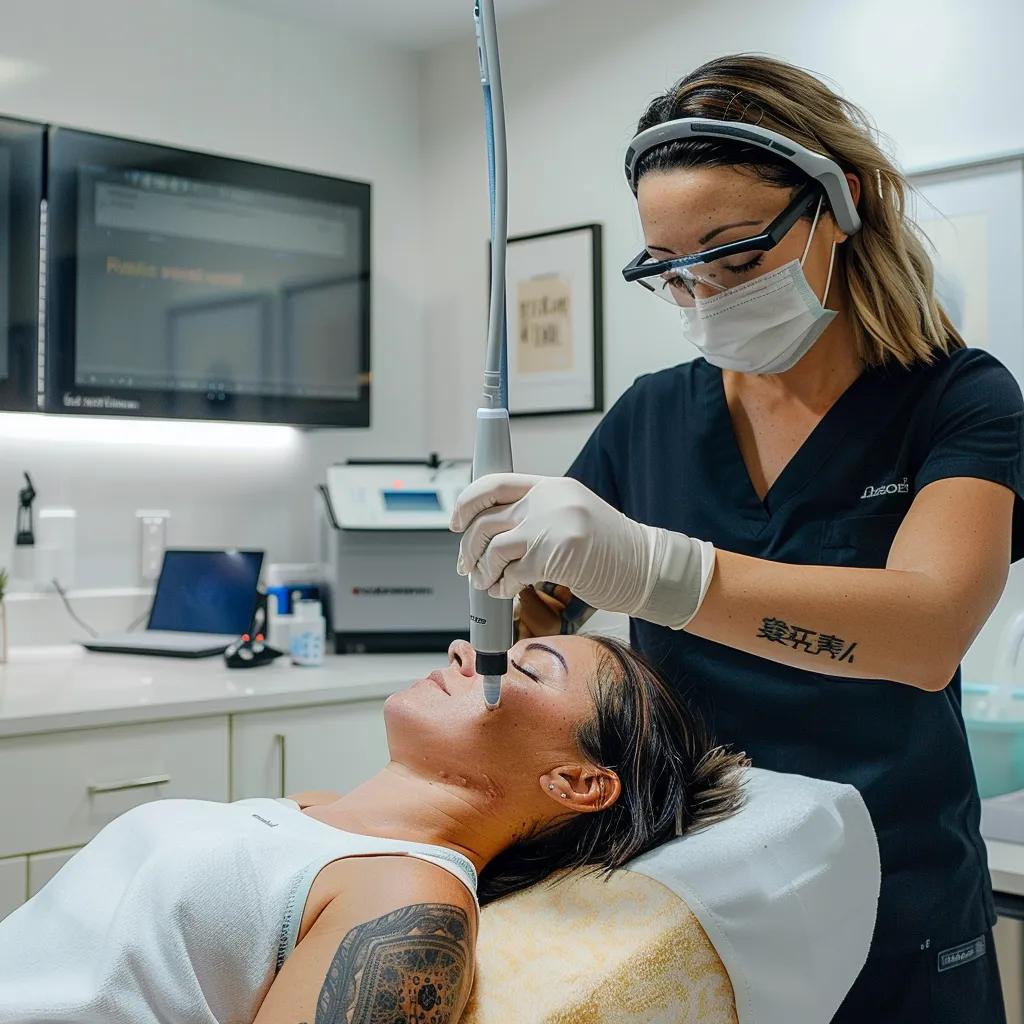
During treatment, topical anaesthetic or local infiltration is used to reduce pain while the clinician delivers laser pulses across targeted scar areas; sensation varies by device and setting. Session duration depends on treatment area and technology—small areas can be treated in under 30 minutes, full-face resurfacing takes longer and often demands deeper anaesthesia or staging. Post-procedure immediate management includes cooling, topical emollients and protective dressings as required, with clinicians providing explicit wound-care guidance. Knowing the procedural flow—anaesthesia, lasing, immediate care—prepares patients for the day-of experience and helps manage anxiety.

What Is the Recovery Timeline and Post-Treatment Care?

Recovery follows a predictable course: days 1–7 typically involve epidermal healing with redness, crusting and weeping for ablative treatments, while weeks 2–6 see re-pigmentation stabilisation and gradual textural improvement; full collagen remodelling unfolds over months. Aftercare focuses on wound hygiene, topical barrier ointments, strict sun avoidance and gradual reintroduction of normal skincare; clinicians advise against picking to prevent secondary scarring. Red flags—prolonged pus, severe pain, spreading redness—warrant prompt medical review to rule out infection or atypical healing. This recovery timeline guides realistic planning around downtime and return to social or professional activities.

After this practical journey overview, readers seeking personalised advice, referral or integrated wellness support may contact RegenGroup as an information hub and patient-referral resource. RegenGroup can advise on options, refer to dermatology or aesthetic specialists and discuss complementary services such as nutritional optimisation or IV therapy that can support healing. This brief note positions RegenGroup as a neutral resource for further personalised guidance rather than a laser treatment provider.

What Are the Benefits and Risks of Laser Skin Resurfacing for Acne Scars?

Laser resurfacing offers measurable benefits—improved texture, reduced scar depth and correction of mixed pigmentary issues—while carrying predictable short-term side effects and procedure-specific risks that can be mitigated with careful planning. Benefits accrue through collagen remodelling and epidermal renewal, improving skin smoothness, light reflection and overall tone. Risks include transient redness, swelling, crusting, infection and post-inflammatory hyperpigmentation (PIH), with higher risk in darker skin types unless conservative settings and test spots are used. Balancing the magnitude of likely improvement versus downtime and complication risk is central to selecting the appropriate device and operator.

  • The main benefits are improved skin texture, reduced scar depth and clearer pigmentation over months.
  • Short-term adverse effects include redness, swelling, crusting and temporary pigment changes.
  • Risk mitigation strategies include test spots, conservative settings for higher Fitzpatrick types, antiviral prophylaxis and strict sun protection.

What Are the Key Benefits of Laser Acne Scar Treatment?

Laser resurfacing provides structural and visual improvements by stimulating dermal remodelling that fills depressions, smooths surface irregularities and reduces shadowing, often improving self-reported appearance and confidence. Pigment-targeting lasers can correct post-inflammatory hyperpigmentation, evening skin tone as texture improves, while fractional approaches offer a compromise between efficacy and recovery time. Some patients experience psychosocial benefits as visible scarring diminishes and skin quality improves, reinforcing the value of combined aesthetic and supportive care. These benefits develop progressively as collagen matures, underscoring the importance of patience and realistic expectations.

What Are the Common Side Effects and How Can They Be Managed?

Common short-term side effects following resurfacing include erythema, oedema, crusting and dryness; management focuses on gentle wound care, topical emollients, analgesia as needed and sun avoidance to prevent PIH. For suspected infection or delayed healing, clinicians may prescribe antimicrobial therapy; antiviral prophylaxis reduces herpes reactivation risk in susceptible individuals. A pragmatic side-effect management mini-table helps patients recognise expected reactions and appropriate responses.

  • Erythema and swelling: Manage with cold compresses and short-term anti-inflammatories.
  • Crusting and scabbing: Use emollients and avoid picking to prevent secondary scarring.
  • PIH: Treat with conservative topical agents and strict photoprotection; monitor for gradual resolution.

Are There Special Considerations for Different Skin Types?

Fitzpatrick skin type strongly influences risk of PIH and informs conservative device settings, test spots and selection of non-ablative or less aggressive fractional approaches for darker tones. Higher Fitzpatrick types require experienced operators who can adjust fluence, density and pass counts, and clinicians often recommend patch testing to assess pigmentary response. Combining pre- and post-treatment topical regimens (e.g., skin-lightening agents where appropriate) and ensuring rigorous sun protection further reduce complications. Emphasising cautious protocols for darker skin ensures safety while still allowing for meaningful improvement in many patients.

Ablative versus Non-Ablative Lasers for Acne Scarring: A Meta-Analysis

Acne scarring has a significant impact on physical appearance and quality of life. A multitude of treatment options exist, including ablative and non-ablative laser therapies. This meta-analysis seeks to compare the efficacy and safety of ablative and non-ablative laser treatments for acne scars, offering a comprehensive review of the extant evidence.

Efficacy and safety of non‐ablative vs. ablative lasers for acne scarring: A meta‐analysis, 2025

After reviewing benefits and risks, readers who want a personalised assessment or integrated wellness support—such as optimisation of nutrition or IV therapy to support healing—can contact RegenGroup for advice or referral. RegenGroup operates as an information hub and patient-referral resource connecting individuals to appropriate dermatology or aesthetic specialists and supportive services.

How Much Does Laser Skin Resurfacing for Acne Scars Cost in the UK?

Costs for laser resurfacing in the UK vary by device, provider expertise, treatment area and number of sessions; typical per-session ranges reflect these variables and influence total programme cost. Expect higher prices for specialist clinics using branded devices and for full-face ablative treatments compared with localized, non-ablative sessions. Considering cost-effectiveness involves comparing expected durability and magnitude of improvement against lower-cost alternatives that may require more sessions. Transparent budgeting and insurer or financing queries should occur during consultation to align expectations with financial realities.

Treatment / AreaAverage cost per session (UK)Typical number of sessionsFull-face estimate
Fractional CO₂ (ablative)£800–£2,0001–3 sessions£2,000–£6,000
Fractional non-ablative£300–£8003–6 sessions£900–£4,800
Erbium resurfacing£600–£1,5001–2 sessions£1,200–£3,000
Pico/pigment-focused sessions£200–£6002–4 sessions£400–£2,400

This pricing table clarifies how device choice, session count and provider expertise drive costs; actual figures depend on clinic location, specialist training and specific treatment plan.

What Is the Average Cost Per Session and for Full-Face Treatment?

Average UK per-session costs range broadly: fractional non-ablative treatments are typically a few hundred pounds per session, while ablative fractional CO₂ treatments cost substantially more due to device complexity and aftercare requirements. Full-face programmes multiply per-session fees by the number of sessions and may include additional follow-up or adjunctive procedures, increasing total investment. Factors that increase price include specialist clinicians, hospital-based facilities, and combined protocols that pair lasers with fillers or subcision. Understanding these drivers helps patients budget and weigh options.

Is Laser Skin Resurfacing Worth the Investment Compared to Other Treatments?

Lasers often provide superior outcomes for deep atrophic scars relative to microneedling or peels, offering more dramatic structural remodelling per session, which can justify higher upfront cost for patients prioritising degree of improvement. For mild-moderate scarring, microneedling or chemical peels may be more cost-effective due to lower per-session cost and reduced downtime, but they typically deliver smaller gains and may require more sessions. Patient priorities—maximal improvement vs minimal downtime and lower cost—determine whether lasers represent the best return on investment for an individual’s goals.

How Does Laser Treatment Compare to Microneedling and Chemical Peels?

TreatmentMechanismBest ForDowntime
Laser resurfacingAblation/thermal remodellingDeep atrophic scars, pigmentModerate–high
MicroneedlingControlled dermal puncture stimulating collagenMild–moderate scars, tetheringLow–moderate
Chemical peelsControlled chemical exfoliationSuperficial texture, pigmentLow–moderate

This comparison shows lasers typically outperform for deep scar remodelling, whereas microneedling and peels are valuable for milder texture issues or as part of combination protocols that balance cost and downtime.

What Are the Alternatives and Combination Therapies for Acne Scar Treatment?

Alternative and adjunctive therapies—microneedling, subcision, fillers, PRP and chemical peels—address different scar components and are often combined with lasers in staged protocols to optimise results. Combination strategies, such as subcision to release tethering followed by fractional resurfacing for surface texture, can yield synergistic improvements. Sequencing considers skin healing times and overlapping risks; for example, wait periods between invasive steps reduce additive inflammation and PIH risk. Decision-making should be based on scar type, patient priorities and an evidence-informed plan that may integrate multiple modalities.

TreatmentMechanismBest ForTypical sessions
MicroneedlingMicro-injury stimulates collagenMild–moderate atrophic scars3–6
SubcisionMechanical release of tetheringRolling scars1–2 (repeat if needed)
Dermal fillersVolume replacementDeep boxcar or depressed areasImmediate, repeat as needed
PRP (platelet-rich plasma)Growth-factor enrichmentAdjunct to lasers/microneedling2–4

This EAV-style table helps readers compare alternatives and plan combination sequences that target multiple scar mechanisms while managing downtime and cost.

How Does Laser Resurfacing Compare to Microneedling for Acne Scars?

Microneedling induces collagen through mechanical micro-injury and is cost-effective with lower downtime, making it suitable for mild to moderate scarring, while laser resurfacing achieves deeper thermal remodelling better suited to severe atrophic scars. Session counts differ—microneedling commonly requires more sessions—whereas a few well-planned laser sessions may yield larger gains. Combining microneedling with lasers in staged protocols can enhance overall remodelling while reducing per-procedure invasiveness. Clinicians choose based on scar depth, pigmentation risk and patient downtime preferences.

Can Laser Treatment Be Combined with Chemical Peels or Other Procedures?

Yes—combination protocols such as laser plus PRP, laser after subcision, or careful sequencing with chemical peels can address multiple scar components and pigmentation simultaneously; timing and conservative energy settings prevent compounded inflammation. Typical safe sequences include performing subcision first to release tethering, allowing healing, then applying fractional resurfacing to smooth texture, with PRP or topical agents used to promote regeneration. Collaboration between experienced practitioners ensures appropriate intervals and reduces overlap of adverse effects. Thoughtful sequencing enhances outcomes compared with monotherapy when guided by evidence and clinical experience.

When Should You Consider Alternative Treatments Instead of Laser Resurfacing?

Alternatives may be preferable when contraindications exist—active acne, certain medical conditions, unrealistic expectations—or when patients prioritise minimal downtime or lower cost. Darker skin types with high PIH risk may initially trial less aggressive modalities or test spots before ablative resurfacing. For very superficial texture or pigment concerns, chemical peels or topical regimens can be effective without laser-associated downtime. Choosing non-laser approaches is a reasonable, evidence-based pathway when patient safety, cost or recovery constraints preclude aggressive resurfacing.

Efficacy of Lasers and Radiofrequency for Atrophic Acne Scars: A Systematic Review

The efficacy of lasers and radiofrequency in treating atrophic acne scarring is supported by numerous comparative and observational studies. Alternative modalities may be employed as adjuncts, with the selection guided by the type, severity, and number of atrophic scars. Minimally invasive procedures, such as fractional radiofrequency and microneedling, yield favourable outcomes with minimal risks, particularly for patients with darker or more sensitive skin types.

Acne scarring management: systematic review and evaluation of the evidence, 2018

RegenGroup, acting as a lead-generation and information hub, can support patients who want referral to appropriate dermatology or aesthetic specialists and can advise on complementary wellness services such as IV therapy, medical weight loss or hormonal optimisation that may indirectly support healing. This placement emphasises RegenGroup’s role as an information and referral resource rather than a laser provider.

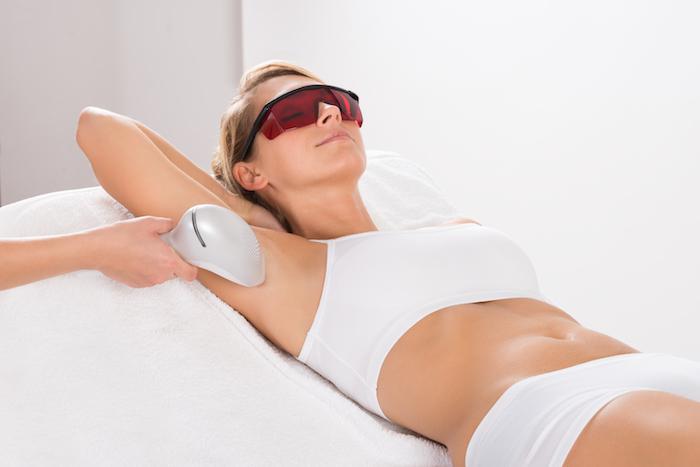
Understand the safety of laser hair removal for black skin. Learn how effective treatments can enhance confidence and promote skin health.

If you’re considering getting rid of an unwanted tattoo, you’re probably wondering: can laser tattoo removal completely remove a tattoo? The short answer is yes—in many cases, laser tattoo removal can eliminate a tattoo entirely. However, the results depend on several factors, including the tattoo’s age, color, size, and your skin type.

At iBeauty Makeover, we understand that tattoo regret is real, and we’re here to help you understand what to expect from the laser tattoo removal process.

How Does Laser Tattoo Removal Work?

Laser tattoo removal uses concentrated light energy to break down tattoo ink particles beneath your skin. The laser targets the pigment in the tattoo, shattering it into smaller fragments that your body’s immune system can naturally flush out over time.

Modern laser technology, particularly Q-switched and picosecond lasers, has made it possible to remove tattoos more effectively and safely than ever before. These advanced lasers can target specific ink colors and penetrate different skin depths without damaging surrounding tissue.

Can a Tattoo Be Completely Removed?

Yes, complete tattoo removal is possible for many people. However, several factors influence whether your tattoo can be fully eliminated:

Factors That Affect Complete Removal

Tattoo Age: Older tattoos are generally easier to remove because the ink has already begun to fade naturally over time.

Ink Colors: Black and dark blue inks respond best to laser treatment because they absorb all wavelengths of light. Green, yellow, and fluorescent colors can be more challenging to remove completely.

Ink Quality and Depth: Professional tattoos typically use higher-quality ink applied deeper in the skin, which may require more sessions to remove than amateur tattoos.

Skin Tone: Laser tattoo removal tends to work most effectively on lighter skin tones, though advances in technology have made treatment safer and more effective for all skin types.

Tattoo Size and Location: Smaller tattoos and those located on areas with better circulation (like the chest or arms) typically respond better to treatment than larger tattoos or those on extremities like hands and feet.

Your Immune System: A healthy immune system is crucial for tattoo removal, as it’s responsible for flushing out the fragmented ink particles.

What Results Can You Realistically Expect?

Most people can achieve significant fading or complete removal of their tattoos with laser treatment. Research shows that over 95% of patients experience substantial improvement, with many achieving complete clearance.

However, it’s important to have realistic expectations:

  • Multiple sessions required: Complete removal typically requires 6-12 treatment sessions, though some tattoos may need more or fewer depending on the factors mentioned above.
  • Gradual fading: You won’t see results overnight. The tattoo will gradually fade over weeks and months as your body processes the broken-down ink.
  • Possible ghosting: In some cases, a faint outline or “ghost” of the tattoo may remain after treatment, especially with colorful or densely packed tattoos.
  • Individual variation: Everyone’s body responds differently to laser tattoo removal, so results can vary from person to person.

The Laser Tattoo Removal Process

Understanding what to expect during your tattoo removal journey can help you prepare:

Initial Consultation

Your journey begins with a thorough consultation where a trained specialist will examine your tattoo, assess your skin type, and discuss your goals. This is the time to ask questions about the expected number of sessions and potential outcomes.

Treatment Sessions

Each laser tattoo removal session typically lasts 15-30 minutes, depending on the tattoo’s size. You may experience some discomfort during treatment, often described as similar to the sensation of getting the tattoo originally. Most clinics offer numbing options to minimize discomfort.

Recovery and Spacing

After each session, you’ll need to wait 6-8 weeks before your next treatment. This allows your skin to heal and your immune system to clear away the shattered ink particles. Proper aftercare is essential for optimal results and includes keeping the area clean, avoiding sun exposure, and following your specialist’s instructions.

Maximizing Your Chances of Complete Removal

Want to improve your odds of completely removing your tattoo? Here are some tips:

  • Choose an experienced provider: Look for certified professionals who use FDA-cleared laser technology and have extensive experience in tattoo removal.
  • Stay healthy: Maintain a healthy lifestyle with proper hydration, exercise, and nutrition to support your immune system’s ability to flush out ink particles.
  • Avoid smoking: Smoking can impair your body’s healing response and reduce the effectiveness of tattoo removal.
  • Protect from sun: Keep your tattoo covered and protected from sun exposure before and during treatment to prevent complications.
  • Be patient: Complete removal takes time. Stick to your treatment schedule and don’t expect immediate results.

What About Stubborn Tattoos?

Some tattoos are more resistant to complete removal than others. If you have a particularly stubborn tattoo with difficult colors or heavy ink saturation, your specialist might recommend:

  • Additional treatment sessions beyond the initial estimate
  • Combination treatments using different laser wavelengths
  • Cover-up options if you’re open to replacing your existing tattoo with new artwork

Is Laser Tattoo Removal Safe?

When performed by qualified professionals using proper equipment, laser tattoo removal is considered safe and FDA-approved. Side effects are typically minor and temporary, including redness, swelling, and mild discomfort. Serious complications like scarring or permanent skin discoloration are rare but can occur, particularly if aftercare instructions aren’t followed.

The Bottom Line: Can Your Tattoo Be Completely Removed?

The answer for most people is yes—laser tattoo removal can completely eliminate unwanted tattoos. While factors like ink color, tattoo age, and skin type play important roles in determining outcomes, advances in laser technology have made complete tattoo removal more achievable than ever before.

At iBeauty Makeover, we’re committed to helping you achieve your desired results with safe, effective laser tattoo removal treatments. Our experienced specialists will work with you to develop a personalized treatment plan based on your unique tattoo and goals.

Ready to Say Goodbye to Your Unwanted Tattoo?

If you’re considering laser tattoo removal, the first step is scheduling a consultation to discuss your options. Contact iBeauty Makeover today to learn more about our advanced laser tattoo removal services and find out whether complete removal is possible for your specific tattoo.

Don’t let tattoo regret hold you back any longer. With the right treatment plan and realistic expectations, you can achieve the clear, ink-free skin you desire.

Experience the life-changing benefits of laser hair removal. It offers long-lasting results, reduced upkeep, and enhanced confidence for a smoother you.

laser hair removal

Say Goodbye to the Hassle of Hair Removal with Laser Treatment

Laser tattoo removal procedure in progress, technician using laser device on colorful tattoo featuring floral elements on shoulder, emphasizing safety and effectiveness in tattoo removal.


Laser tattoo removal is one of the most effective ways to eliminate unwanted tattoos — but understanding the process, safety standards, and recovery steps is key to achieving great results. Thanks to advancements in modern laser technology, today’s treatments are safer, faster, and more precise than ever before. At iBeauty Makeover in Boca Raton, our certified specialists combine expertise with advanced equipment to help you safely fade or completely remove your tattoo with confidence.


How Laser Tattoo Removal Works

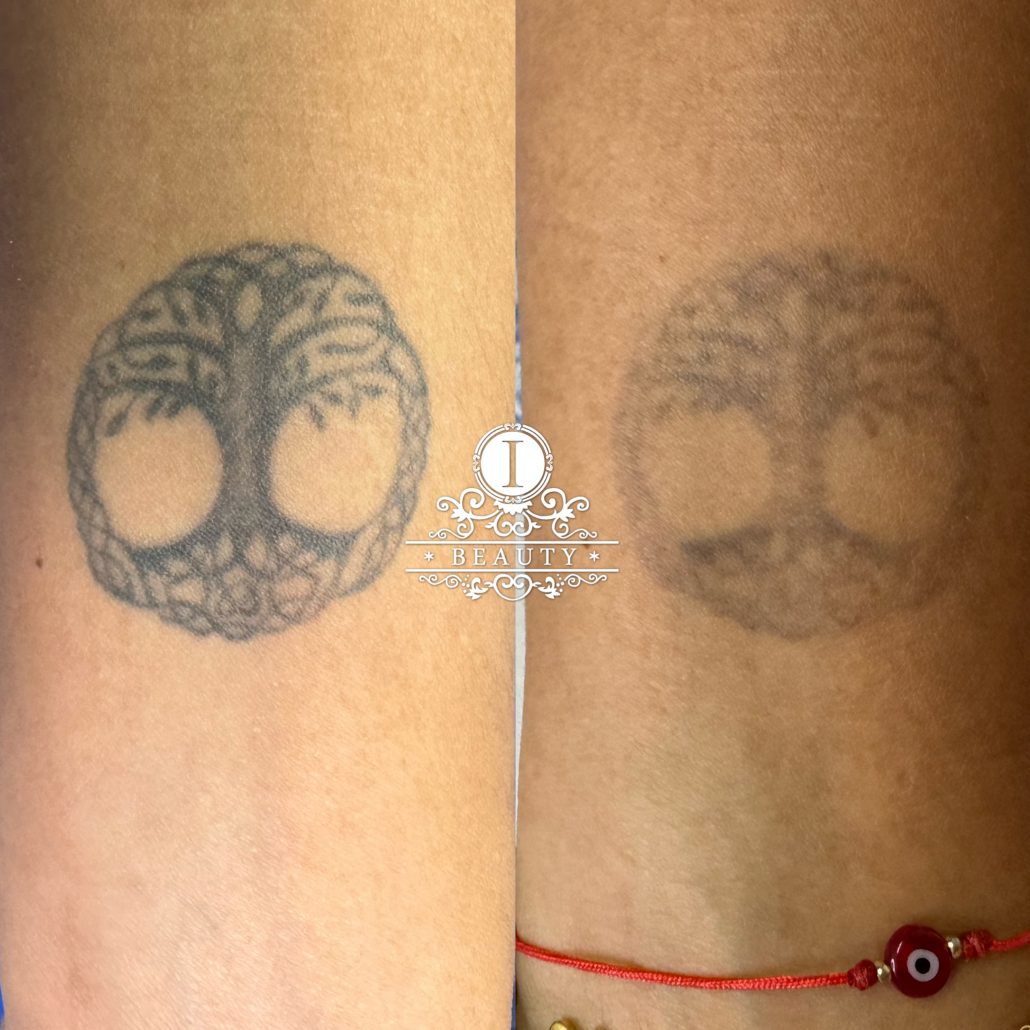
Tattoo removal progress showing before and after images of a crown tattoo on skin, highlighting effectiveness of laser tattoo removal at South Florida Laser Studio.

Laser tattoo removal targets the pigments in tattoo ink using highly concentrated pulses of light. When the light penetrates the skin, the ink particles absorb the energy and break down into tiny fragments, which your body naturally eliminates through the lymphatic system.

The number of sessions required varies depending on factors such as:

  • Tattoo age, size, and location
  • Ink colors (dark pigments fade faster than lighter shades)
  • Skin type and overall health

While darker inks like black or blue are typically easier to remove, colors such as green or yellow may require additional sessions. Each treatment gradually fades the tattoo until it is significantly reduced or no longer visible.

Is Laser Tattoo Removal Safe?

Modern laser technology, especially Q-switched and Pico lasers, has made tattoo removal remarkably safe and precise. These systems are designed to target tattoo pigments without harming the surrounding skin, minimizing the risk of burns or scarring.

At iBeauty Makeover, we tailor every session to your unique skin tone and tattoo characteristics. Our trained specialists ensure proper calibration and technique to reduce risks like hyperpigmentation or irritation, resulting in a safer and smoother treatment process.

Tip: Always choose a certified professional for your laser tattoo removal — proper expertise makes all the difference in your safety and results.


Managing Pain During Laser Tattoo Removal

While some mild discomfort is normal, most clients describe the sensation as a quick snap or flick against the skin. The level of sensitivity varies based on tattoo placement, size, and individual pain tolerance.

To ensure maximum comfort, iBeauty Makeover offers:

  • Topical anesthetic creams to numb the area
  • Cooling devices during treatment to soothe the skin
  • Numbing injections for larger or more sensitive tattoos

Our team prioritizes your comfort throughout the process, making each session as gentle and efficient as possible.


Choosing the Right Laser Specialist

Your results depend heavily on the skill of your practitioner. Always work with professionals who are:

  • Certified and experienced in laser tattoo removal
  • Knowledgeable in skin types, pigment behavior, and laser calibration
  • Transparent about the expected number of sessions and aftercare process

At iBeauty Makeover, our specialists guide you through a detailed consultation before treatment — explaining session expectations, side effects, and personalized care plans to achieve the best outcome possible.


Aftercare for the Best Results

Proper aftercare is essential for achieving smooth, healthy skin and avoiding side effects like infection or scarring.

Follow these simple steps after each session:

  • Keep the area clean, dry, and protected
  • Apply recommended ointments or moisturizers
  • Avoid sun exposure, scratching, or picking at the treated area
  • Stay hydrated and maintain a healthy lifestyle to support healing

It’s normal to experience mild redness, swelling, or tenderness for a few days. With the right care, your skin will recover quickly and your tattoo will continue to fade beautifully between sessions.


Start Your Tattoo Removal Journey with Confidence
When it comes to tattoo removal, choosing the right provider makes all the difference. At iBeauty Makeover, we combine advanced laser technology, certified expertise, and personalized care to deliver safe, effective results every time.

For those in Boca Raton seeking to reduce unwanted hair long-term, read our full Laser Hair Removal Boca Raton service page to learn about how many treatments you may need, pricing, and what makes your skin type a factor.

📍 Visit us:

iBeauty Makeover

1650 S Dixie Hwy, Suite 401AA

Boca Raton, FL 33432

📞 Call us today:561.975.3807

💻 Book online:ibeautymakeover.com

Experience smooth, clear skin — safely and confidently — with iBeauty Makeover’s Laser Tattoo Removal in Boca Raton.

iBeauty Makeover is located at 1650 S Dixie Hwy Suite 401AA, Boca Raton, FL 33432. Our phone number is 561.975.3807.

Laser tattoo removal is a significant step that can profoundly impact your life, whether you’re looking to erase a tattoo that no longer resonates with you, preparing your skin for a new design, or aiming to enhance your professional appearance. To make the most of this life-changing decision, it’s essential to understand the process thoroughly and take the necessary steps to ensure the best possible results. This guide will walk you through the key aspects of laser tattoo removal, from understanding the technology to post-procedure care.

The Laser Tattoo Removal Process

Laser tattoo removal is a cutting-edge procedure that leverages advanced technology to safely and effectively remove unwanted tattoos. The process involves using specific wavelengths of light, usually from Q-switched lasers, which are known for their precision in targeting tattoo ink. These lasers work by emitting short, high-intensity pulses of light that penetrate the skin and break down the tattoo ink into tiny particles.

Tattoo removal process comparison showing before and after laser treatment results, featuring a faded tattoo on skin, with the logo of South Florida Laser Studio visible.

The laser energy selectively targets the tattoo ink, allowing the body’s immune system to naturally absorb and eliminate the fragmented ink particles over time. This targeting leaves the surrounding skin tissue largely unaffected. By reducing the risk of scarring and other skin damage, laser tattoo removal proves to be a safe option for most skin types.

However, achieving complete tattoo removal is not an instant process. Since tattoos are composed of multiple layers of ink, several sessions are typically required to break down the ink completely. The number of sessions needed can vary depending on factors such as the size, age, color, and depth of the tattoo, as well as your skin type and overall health. Understanding this process will help you set realistic expectations and prepare for the journey ahead.

Consulting with a Qualified Specialist

Before embarking on the laser tattoo removal journey, it’s crucial to consult with a qualified specialist who has extensive experience in this procedure. A thorough consultation is your opportunity to discuss your goals, ask questions, and get a personalized treatment plan that suits your needs.

During the consultation, the specialist will assess your tattoo’s characteristics, including its size, color, and location. They will also consider your skin type, as this can influence the treatment’s effectiveness and the risk of side effects. Based on this assessment, the specialist will recommend a treatment plan that outlines the number of sessions needed, the intervals between sessions, and the expected results.

It’s also during this consultation that you’ll learn about any potential risks associated with laser tattoo removal, such as temporary discoloration or skin sensitivity. Understanding these risks and setting realistic expectations is vital to ensuring a positive experience. Don’t hesitate to ask questions during your consultation—whether it’s about the technology used, the specialist’s experience, or what to expect during recovery. This initial meeting is your chance to make sure you’re comfortable and confident with your decision.

Pre-Procedure Care: What You Need to Do

Proper pre-procedure care is a crucial step in preparing for laser tattoo removal and can significantly impact the success of the treatment. Taking the right precautions before your sessions will help minimize the risk of complications and enhance the effectiveness of the laser.

First and foremost, it’s important to protect the tattooed area from sun exposure in the weeks leading up to your treatment. Tanned or sunburned skin can increase the risk of adverse reactions, such as blistering or discoloration, and may also interfere with the laser’s ability to target the ink effectively. If possible, keep the area covered or apply broad-spectrum sunscreen.

Your specialist may also advise you to avoid certain medications or skincare products that could make your skin more sensitive to the laser. For example, some acne treatments or anti-aging products containing retinoids can increase skin sensitivity and should be discontinued prior to the procedure. Additionally, if you smoke, you might be advised to quit or reduce smoking, as it can slow down the healing process.

Following these pre-procedure guidelines will help ensure your skin is in the best possible condition for the laser treatment, setting the stage for optimal results.

What to Expect During the Procedure

Understanding what happens during a laser tattoo removal session can help you feel more at ease and prepared for the experience. The procedure itself is relatively quick and straightforward, but knowing what to expect can make a significant difference in your comfort level.

During the session, you may feel a sensation similar to a rubber band snapping against your skin as the laser targets the tattoo. While this can be uncomfortable, most people find the sensation manageable. To help minimize any discomfort, your specialist may apply a topical anesthetic to numb the area or use a cooling device to soothe the skin during the procedure.

The duration of each session can vary depending on the size and complexity of the tattoo, but typically ranges from 15 to 30 minutes. Smaller tattoos or those with less intricate designs may require less time, while larger or more colorful tattoos may take longer. After the laser treatment, you might notice that the treated area appears red and swollen, similar to a mild sunburn. This is a normal response and usually subsides within a few hours to a couple of days.

Post-Procedure Care: Ensuring Optimal Results

The care you provide to the treated area after each laser tattoo removal session is critical to achieving the best possible results and minimizing the risk of complications. Proper post-procedure care will not only promote faster healing but also help prevent issues like infection or scarring.

Immediately after the procedure, your specialist will apply a soothing ointment to the treated area and cover it with a bandage to protect it from external irritants. It’s important to keep the area clean and dry, following any specific instructions provided by your specialist. You may be advised to apply a prescribed ointment or over-the-counter antibiotic cream to aid in the healing process.

During the healing period, which typically lasts a few days to a week, you might experience some swelling, redness, and blistering. These symptoms are normal and should gradually subside. However, it’s crucial to avoid picking at any scabs or blisters, as this can lead to scarring.

Sun protection is especially important after each session. The treated skin will be more sensitive to UV radiation, so applying sunscreen with a high SPF and covering the area when outdoors is essential. This will help prevent hyperpigmentation and other sun-related damage.

Following your specialist’s post-care instructions diligently will ensure that your skin heals properly and that you achieve the best possible outcome from your laser tattoo removal journey.

Ready to Transform Your Look?

If you’re considering laser tattoo removal and want to learn more about how it can enhance your appearance or clear the way for a new design, contact iBeauty Makeover today. Our team of qualified specialists is here to provide you with personalized care and answer any questions you might have.

Schedule your consultation now to discuss your goals and get a tailored treatment plan. At iBeauty Makeover, we’re committed to helping you achieve the best possible results with the latest in laser technology.

Disclaimer: Individual results may vary. Laser tattoo removal may not be suitable for everyone and does not guarantee complete removal of all tattoos. Always consult with a qualified specialist to determine if this procedure is right for you. Potential risks and side effects should be discussed during your consultation.

iBeauty Makeover is located at 1650 S Dixie Hwy Suite 401AA, Boca Raton, FL 33432. Our phone number is 561.975.3807.

Aging is a natural part of life, and it’s normal for eyebrows to thin, lips to lose their youthful hue, and skin to show signs of a life well-lived. However, just because these changes are natural doesn’t mean you must live with them if they bother you. At iBeauty Makeover, we specialize in semi-permanent makeup solutions designed to help you reclaim a more vibrant and youthful appearance.

Understanding Pigment Loss with Aging

As we age, our skin undergoes various changes, including pigment loss. This often manifests as graying hair, lighter skin, and less defined features. These changes are primarily due to alterations in melanin production and the reduction of skin pigment-containing cells (melanocytes). Additionally, the decrease in estrogen levels, especially during menopause, affects skin health by reducing collagen production, which is crucial for maintaining skin density, elasticity, and hydration.

Before and after image showcasing semi-permanent makeup results on eyebrows, highlighting enhanced definition and youthful appearance, with the iBeauty logo prominently displayed.
Microblading before and after

Effects of Pigment Loss on Facial Features

  • Eyebrows: With age, eyebrows may become lighter and sparser as pigment cells in the hair follicles decrease. This can result in less defined eyebrows, affecting the overall impact of your facial expressions.
  • Eyes: Reduced melanin production can lead to lighter and thinner eyelashes, diminishing their dark framing effect on the eyes. The skin around the eyes may also become more translucent, contributing to a tired appearance.
  • Lips: Lips can lose their color and definition over time, making them appear less vibrant and expressive. The vermilion border may blur, reducing the distinct separation between the lips and surrounding skin.

semi-permanent Makeup Solutions

Non-Surgical Options to Restore Your Youthful Look

At iBeauty Makeover, we offer a variety of non-surgical treatments tailored to enhance your natural beauty and address the effects of aging.

Eyebrow Microblading

Revitalize thinning or graying eyebrows with microblading, a semi-semi-permanent tattoo technique. Using a manual handheld tool, we create fine, natural-looking strokes that mimic natural hairs, giving your eyebrows a fuller, more defined appearance.

Nano Brows

For precise, hair-like strokes, consider Nano Brows. This advanced method uses a super-fine needle to create detailed, natural-looking eyebrows. It’s particularly effective for mature or oily skin types and ensures long-lasting, beautifully defined brows.

Ombre Brows

With ombre brows, you can achieve a soft, shaded effect. This technique uses a machine and a specialized needle to deposit pigment, creating a gradient look that mimics filled-in eyebrows. It’s ideal for mature skin and can cover previous eyebrow work.

Eyeliner Tattoo

Enhance the natural contours of your eyes with a semi-permanent eyeliner tattoo. From subtle lash enhancements to more pronounced lines, this treatment offers a variety of styles to make your eyes stand out without daily makeup application.

Lip Blushing and Lip Lining

Restore your lips’ youthful color and definition with Lip Blushing and Lip Lining. These semi-permanent makeup techniques enhance your lips’ natural hue and contours, providing a vibrant, symmetrical, lasting look.

Eyebrow Tattoo Removal and Refresh

Update your look with our Eyebrow Tattoo Removal and Refresh services. Whether you must correct previous work or refine your brow shape, our non-laser removal methods offer a gentle and effective solution.

Scar Camouflage

With our Scar Camouflage technique, you can seamlessly blend scars into your natural skin tone. We use carefully matched pigments to reduce the appearance of scars, enhancing your overall look.

iBeauty Makeover: Your Destination for Timeless Beauty

semi-permanent makeup is an excellent way to rejuvenate and enhance mature skin, offering a timeless beauty that simplifies your daily routine. At iBeauty Makeover, our expert team is dedicated to helping clients of all ages achieve their desired look through customized semi-permanent makeup treatments.

Our certified semi-permanent makeup artists stay up-to-date with the latest techniques and trends to provide the best possible results. Embrace the convenience and beauty of semi-permanent makeup, and let your natural beauty shine with minimal effort.

Contact iBeauty Makeover today to schedule a consultation or learn more about our semi-permanent makeup solutions for mature skin. With our expert treatments, you can rediscover your youthful vibrancy and enhance your natural features.

Experience the transformative power of semi-permanent makeup at iBeauty Makeover. iBeauty Makeover is located at 1650 S Dixie Hwy Suite 401AA, Boca Raton, FL 33432. See what our clients have to say by checking out our reviews on Google!

Woman receiving semi-permanent makeup treatment on lips by a certified artist, showcasing the beauty and precision of the procedure at iBeauty Makeover.

Embracing Radiance: The Importance of Semi-Permanent Makeup Aftercare

In the pursuit of timeless beauty, semi-permanent makeup has become a game-changer. However, to ensure your radiant look endures, impeccable aftercare is non-negotiable.

The First 24 Hours: A Crucial Window for Aftercare Excellence

Ensuring Longevity with Immediate Care

The initial 24 hours post-application demand meticulous attention. Gently cleanse the treated area with a mild cleanser, steering clear of harsh chemicals. Pat the area dry with a soft, clean cloth—avoiding rubbing or excessive moisture.

Woman receiving semi-permanent makeup treatment on lips by a certified artist, showcasing the beauty and precision of the procedure at iBeauty Makeover.

Moisturize to Mesmerize: Hydration is Key

Unlocking the Power of Moisture

Hydration is the hero in the aftercare narrative. Apply a specialized aftercare ointment to maintain the skin’s moisture balance. A well-hydrated canvas ensures the pigment settles flawlessly, preserving your semi-permanent masterpiece.

Shielding Your Beauty Investment: Sun Protection Rituals

Guarding Against UV Threats

Sun exposure can be the arch-nemesis of your semi-permanent makeup. Invest in a high SPF sunscreen and shield your enhanced features from the sun’s harmful rays. A sun-protected face not only retains its charm but also extends the life of your semi-permanent makeup.

Beyond the Basics: Navigating the Week After Semi-Permanent Makeup

Say No to Steam: Showering with Caution

Preserving Elegance in the Shower

In the days following your semi-permanent makeup application, exercise caution in the shower. Avoid exposing your face to direct steam, as it can interfere with the pigment setting process. Opt for lukewarm water and gentle patting to maintain your beauty investment.

Hands Off: Resisting the Temptation to Touch

Let Your Makeup Flourish

The temptation to touch your newly enhanced features can be strong, but resist it at all costs. Touching can introduce bacteria and compromise the healing process. Allow your semi-permanent makeup to blossom undisturbed.

Flawless Forever: Long-Term Semi-Permanent Makeup Care

Sustain the Glow

As the days turn into weeks, continue pampering your semi-permanent makeup. Regularly moisturize and adhere to sun protection routines. Schedule touch-ups as recommended by your technician to keep your beauty everlasting.

Final Thoughts: A Timeless Glow Awaits

In the realm of semi-permanent makeup, aftercare is the magic wand that ensures your beauty story endures. From the first crucial 24 hours to the long-term commitment, nurturing your enhanced features guarantees a timeless, flawless glow.

Elevate your semi-permanent makeup experience by embracing these aftercare rituals, unlocking the secret to a radiant and everlasting allure.

Make an appointment today! See what our customershave to say.

Tattoos have always been a form of self-expression, but what happens when that inked statement is no longer what you want to convey? Whether it’s a change in personal taste, a career move, or simply the desire for a fresh start, the need for tattoo removal arises for many individuals in Boca Raton. In this article, we will delve into the world of tattoo removal in Boca Raton, exploring the methods, costs, and considerations associated with this transformative process.

Before and after image of tattoo removal on skin, showcasing faded ink and the iBeauty Makeover logo, relevant to tattoo removal services in Boca Raton.

Understanding Tattoo Removal

 The Science Behind Tattoo Removal

Tattoo removal is a fascinating blend of art and science. The pigments in tattoo ink are designed to be permanent, but advancements in technology have provided us with several methods to break down and eliminate these stubborn pigments. The primary methods for tattoo removal include:

1. Laser Tattoo Removal: This is the most common and effective method. It involves using laser technology to target and break down the ink particles in your skin gradually.

2. Dermabrasion: A technique that involves “sanding” the tattooed skin to remove the top layers, gradually fading the tattoo.

3. Chemical Peels: Chemical solutions are applied to the tattooed area to exfoliate and remove the ink.

Each of these methods has its pros and cons, which we will discuss in more detail later.

 Factors Influencing Tattoo Removal

Several factors influence the success of tattoo removal and the number of sessions required, including:

Ink Color: Darker colors are usually more stubborn and may require more sessions.

Tattoo Age: Older tattoos are generally easier to remove than newer ones.

Skin Type: Skin type plays a role in how effectively the laser can target the ink.

Tattoo Size: Larger tattoos often require more sessions.

Methods of Tattoo Removal

Laser Tattoo Removal: The Gold Standard

Laser tattoo removal is the go-to method for tattoo removal in Boca Raton. Here’s how it works:

1. Consultation: Your journey begins with a consultation with our licensed laser technician. We will assess your tattoo and create a personalized treatment plan.

2. Laser Sessions: During the laser sessions, the laser emits highly concentrated light pulses that break down the tattoo ink. You might experience some discomfort, similar to a rubber band snapping against your skin.

3. Healing Process: After each session, your skin will need time to heal. This usually takes a few weeks.

4. Multiple Sessions: Multiple sessions are typically required to completely remove a tattoo, depending on its size, color, and depth.

5. Aftercare: Following your technician’s aftercare instructions is crucial for optimal results.

Laser tattoo removal offers impressive results but can be costly, depending on the tattoo’s complexity and the number of sessions needed.

Costs of Tattoo Removal

The cost of tattoo removal in Boca Raton varies based on several factors:

Tattoo Size: Larger tattoos will naturally cost more to remove.

Ink Color: Tattoos with a variety of colors may require additional sessions, increasing the overall cost.

Number of Sessions: More sessions mean more expenses.

It’s essential to obtain quotes from multiple clinics and discuss payment plans if necessary. Keep in mind that investing in a reputable clinic is crucial for a successful outcome.

Laser Tattoo Removal: Essential Healing & Aftercare Tips

Tattoo removal is not an instant process. After each session, your skin needs time to heal. During this time, you should:

Avoid Sun Exposure: UV rays can interfere with the healing process and potentially cause complications.

Follow Aftercare Instructions: Your technician will provide specific instructions for cleaning and caring for the treated area.

Stay Patient: Complete tattoo removal may take several months, so be patient and consistent with your appointments.

 Choosing the Right Clinic

Selecting the right clinic for tattoo removal in Boca Raton is paramount to your success. Here are some tips for making the best choice:

1. Research: Read reviews, ask for recommendations, and thoroughly research the clinics in your area.

2. Consultations: Schedule consultations with multiple clinics to assess their professionalism and expertise.

3. Credentials: Ensure the clinic is staffed with licensed and experienced technicians.

4. Technology: Inquire about the type of laser technology they use and its effectiveness for your specific tattoo.

Tattoo removal in Boca Raton is a life-changing decision for many. Whether you’re reclaiming your skin’s canvas or making room for a new tattoo, understanding the methods, costs, and considerations involved is crucial. 

Remember that while the road to tattoo-free skin may require some patience, the results are well worth it when you choose the right clinic and follow the recommended aftercare. So, take the first step toward your tattoo-free future and embark on your journey to a new canvas in Boca Raton.

If you’re lookin for a professional tattoo removal in Boca Raton, iBeauty Makeover is your trusted partner. Our advanced laser technology, coupled with skilled professionals, allows us to offer safe, efficient, and personalized tattoo removal solutions. Don’t let unwanted tattoos hold you back; take the first step towards a clean canvas with iBeauty Makeover. Contact us today to schedule a consultation and begin your tattoo removal journey. Check out our reviews!