
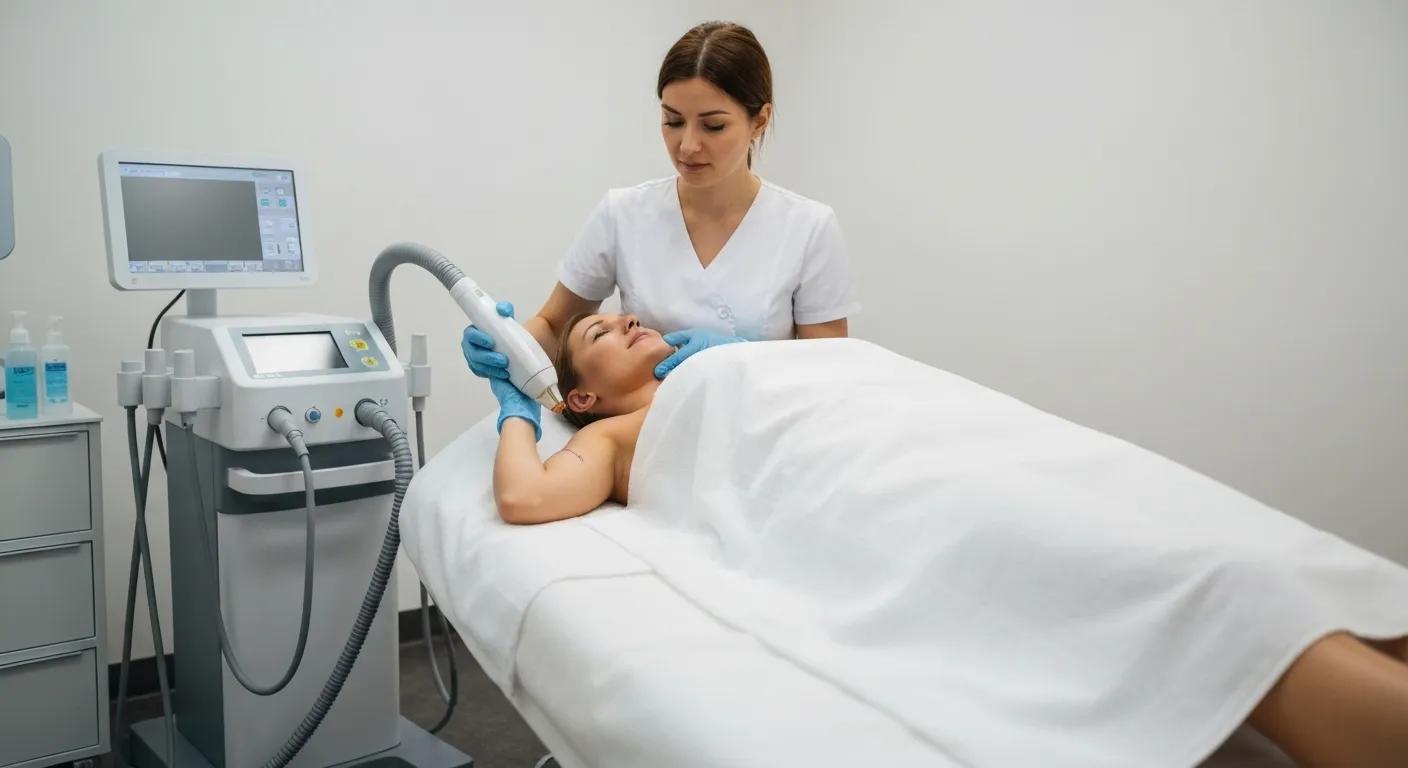
How Laser Hair Removal Affects Your Skin Health
How Laser Hair Removal Works and Affects Your Skin Health: A Comprehensive Guide
Laser hair removal harnesses precise light energy to remove unwanted hair while improving skin clarity and texture. By converting laser light into heat at the hair follicle, this treatment offers long-lasting reduction in hair growth and minimizes common skin issues like ingrown hairs and irritation. Readers will learn how laser hair removal works on different skin types, discover its benefits and potential risks, and find expert guidance on preparing and caring for skin before and after treatment. This guide also addresses long-term effects, debunks widespread myths, and compares laser procedures to traditional hair removal methods—all with an empathetic, professional tone designed to inform and support adults seeking healthier skin.
What Is Laser Hair Removal and How Does It Work on Your Skin?
Laser hair removal is a dermatological procedure that uses concentrated light to target and disable hair follicles. By focusing on pigment in the hair shaft, it delivers heat deep into the follicle without damaging surrounding tissue, promoting smoother skin and lasting hair reduction. Understanding its mechanism lays the groundwork for exploring factors like selective photothermolysis and melanin interaction.
What Is Selective Photothermolysis and How Does It Target Hair Follicles?
Selective photothermolysis is the process by which specific wavelengths of laser light are absorbed by melanin in hair follicles, generating heat that destroys follicular cells. This targeted approach ensures surrounding skin remains unharmed. By matching pulse duration to follicle size, practitioners achieve precise energy delivery and effective hair reduction, setting the stage for melanin’s crucial influence on treatment success.
How Does Melanin Influence Laser Hair Removal Effectiveness?
Melanin, the pigment responsible for hair and skin color, absorbs laser energy and converts it to heat within the follicle. Darker, coarser hair with higher melanin content responds more readily, while lighter or finer hairs may require specialized wavelengths. This pigment-driven energy absorption explains why customized treatment plans are essential, ensuring optimal heat generation without compromising skin safety.
Laser Hair Removal and Melanin Interaction
Laser hair removal effectiveness is significantly influenced by melanin, the pigment responsible for hair and skin color. Darker, coarser hair with higher melanin content absorbs laser energy more readily, leading to more effective results, while lighter hair may require specialized wavelengths.
Anderson, R. R., & Parrish, J. A., Selective photothermolysis: precise microsurgery by selective absorption of pulsed radiation. Science (1983)
This research provides the scientific basis for understanding how laser light interacts with melanin in hair follicles, which is crucial for the success of laser hair removal.
Which Laser Types Are Best Suited for Different Skin Types?
Different laser devices accommodate a spectrum of skin tones and hair colors by varying wavelength and depth of penetration. The table below outlines key laser types, their ideal Fitzpatrick skin categories, and primary advantages:
Each device’s wavelength and melanin-targeting properties guide practitioners in selecting the safest and most effective option, which influences both comfort and outcome.
How Does Laser Energy Convert to Heat to Destroy Hair Follicles?
Laser hair removal works by delivering pulses of light that melanin absorbs and transforms into heat, raising follicular temperature enough to disable hair-producing cells. This process, known as thermal necrosis, halts new hair growth while preserving the skin’s outer layer. Understanding this heat conversion helps explain why post-treatment cooling and skin care are crucial for comfort and optimal healing.
What Are the Skin Health Benefits of Laser Hair Removal?
Laser hair removal delivers more than smooth results; it can significantly enhance skin health by reducing inflammation, refining texture, and preventing pigment irregularities. Recognizing these advantages underscores why many adults choose regenerative aesthetic services like those at RegenGroup Health for both hair removal and skin rejuvenation.
Skin Health Benefits of Laser Hair Removal
Laser hair removal can significantly improve skin health by reducing inflammation, refining texture, and preventing pigment irregularities. The process minimizes irritation compared to traditional methods like shaving and waxing, leading to fewer skin issues.
Goldberg, D. J., Laser hair removal: past, present and future. Dermatologic Clinics (2002)
This study supports the claims made in the article about the benefits of laser hair removal on skin health, including reduced irritation and improved texture.
How Does Laser Hair Removal Reduce Ingrown Hairs and Folliculitis?
By disabling hair follicles at the root, laser treatment prevents strands from curling back into the skin and triggering inflammation. Reduced hair density lowers folliculitis risk and minimizes bumps and pustules. Patients often experience a dramatic drop in ingrown hairs, which supports clearer pores and continued skin comfort.
In What Ways Does LHR Improve Skin Texture and Smoothness?
Laser hair removal refines skin surface by eliminating micro-abrasions caused by shaving and waxing. As follicles are deactivated, pore size appears reduced and skin feels softer. Over multiple sessions, the cumulative effect promotes an even skin plane, enhancing overall smoothness and glow.
How Does Laser Hair Removal Minimize Irritation Compared to Shaving and Waxing?
Unlike repeated cuts, friction, and adhesive trauma from traditional methods, laser treatment delivers minimal mechanical irritation. Patients report less redness and fewer razor burns, as the laser’s focused heat spares the skin’s surface. This gentle approach suits sensitive areas, reducing discomfort and downtime.
Can Laser Hair Removal Help Address Hyperpigmentation and Scarring?
By targeting melanin and stimulating subtle dermal remodeling, laser hair removal can lighten post-inflammatory hyperpigmentation and improve the appearance of minor scars. Controlled heat encourages collagen production, gradually evening out tone and reducing the visibility of blemish marks. For more general beauty and wellness insights, visit iBeauty Makeover.
What Are the Common Side Effects and Risks of Laser Hair Removal on Skin?
While laser hair removal is safe when performed by qualified professionals, understanding possible reactions and rare complications ensures informed decisions. Clear knowledge of risks empowers patients to choose pre-treatment assessments and aftercare protocols that minimize adverse outcomes.
What Temporary Skin Reactions Can Occur After Laser Hair Removal?
Mild redness, swelling, and a sensation of warmth are common immediately after treatment. These effects result from heat transferring to the skin’s surface and typically resolve within hours to days. Applying cool compresses and gentle moisturizing helps alleviate discomfort and supports rapid recovery.
What Rare but Serious Skin Complications Should You Be Aware Of?
Although uncommon, blistering, burns, scarring, and pigment changes can occur if treatment parameters are not matched to skin type. Selecting experienced providers who conduct thorough skin assessments and use advanced cooling systems reduces these risks. Prompt professional care for any unusual reactions preserves skin health.
Does Laser Hair Removal Cause Semi-Permanent Skin Damage or Cancer?
No, laser hair removal uses non-ionizing radiation that does not penetrate beyond the dermal layers or alter DNA. Medical evidence confirms it does not increase cancer risk or cause lasting skin damage when administered correctly. This safety profile distinguishes it from procedures involving ionizing energy.
How Should You Prepare Your Skin Before Laser Hair Removal?
Proper preparation optimizes results and reduces side effects by ensuring the skin is in its healthiest state. Adhering to expert-recommended pre-treatment guidelines at RegenGroup Health sets the stage for effective, safe hair removal sessions.
Why Is a Personalized Skin Assessment Important Before LHR?
A tailored evaluation identifies skin type, pigmentation level, and sensitivity, guiding laser settings and pulse durations. Personalized assessments help practitioners adjust energy levels, reducing the likelihood of irritation or pigment alterations. This bespoke approach underpins both safety and efficacy.
What Are the Best Practices for Sun Exposure and Hair Removal Before Treatment?
Avoid sun exposure and tanning for at least two weeks before treatment to minimize surface melanin that could absorb excess energy. Patients should shave the target area 24–48 hours prior, removing hair above the skin to ensure laser energy focuses on follicles. This protocol enhances comfort and precision.
Which Products Should You Avoid Prior to Laser Hair Removal?
Discontinue topical retinoids, chemical peels, and photosensitizing agents like certain antibiotics and fragrances one week before treatment. These products increase skin sensitivity and raise the risk of burns or hyperpigmentation. A clean, product-free surface allows uniform energy absorption and safer outcomes.
What Is the Essential Post-Treatment Skin Care Routine After Laser Hair Removal?
Maintaining optimal skin health following laser hair removal relies on calming, hydrating, and protecting the treated area. An aftercare regimen supports barrier repair, reduces discomfort, and preserves the benefits of each session.
How Do You Soothe and Moisturize Skin After LHR?
Applying fragrance-free, hypoallergenic moisturizers and gentle aloe vera gels immediately after treatment calms heat-induced inflammation. Keeping the skin hydrated supports repair and prevents peeling. Consistent use of barrier-restoring creams accelerates healing and enhances texture improvements.
Why Is Sun Protection Crucial Following Laser Hair Removal?
Sun exposure post-treatment can trigger hyperpigmentation by stimulating melanin in healing skin. Broad-spectrum sunscreen (SPF 30+) and physical barriers like hats shield treated areas. Continuing sun avoidance for at least two weeks maintains even tone and safeguards long-term results.
How Can You Manage and Treat Skin Irritation Post-LHR?
Cold packs and over-the-counter anti-inflammatory creams help manage redness and mild swelling. If discomfort persists, practitioners may recommend topical corticosteroids or soothing serums containing niacinamide. Early management prevents secondary issues and keeps skin on track for clear, smooth outcomes.
What Are the Long-Term Effects of Laser Hair Removal on Skin Health?
Ongoing laser sessions yield cumulative skin improvements that extend beyond hair reduction. Recognizing these lasting benefits encourages commitment to recommended treatment schedules and maintenance visits.
How Does Ongoing LHR Improve Skin Over Time?
Repeated follicle deactivation diminishes hair density and reduces ingrown hairs, while consistent heat application promotes collagen remodeling. Over months, skin texture becomes progressively softer, pore size appears smaller, and overall tone evens out—a transformation reinforced by each treatment.
When Should You Consult a Dermatologist About Skin Concerns Related to LHR?
If unusual pigment changes, persistent redness, or textural irregularities arise beyond expected recovery, seeking a dermatologist’s evaluation ensures appropriate interventions. Expert assessment can adjust treatment plans or recommend adjunct therapies to maintain skin health and safety.
What Are the Common Myths and Misconceptions About Laser Hair Removal and Skin Health?
Separating fact from fiction empowers individuals to make confident decisions about laser hair removal. Clear evidence dispels concerns about safety, suitability, and long-term effects, reinforcing informed consent and trust in professional care.
Is Laser Hair Removal Safe for All Skin Types?
Yes, when performed with suitable laser technology—such as Nd:YAG for darker skin tones—it is safe across the Fitzpatrick scale. Customized wavelength selection and pulse settings accommodate melanin levels, ensuring energy targets follicles without harming the epidermis.
Does Laser Hair Removal Use Harmful Radiation?
No, the procedure employs non-ionizing radiation in the infrared or visible spectrum, which does not carry enough energy to disrupt DNA or cause cancer. Its safety profile contrasts with ionizing modalities like X-rays, making laser hair removal a low-risk option.
Can Laser Hair Removal Cause Skin Cancer or Semi-Permanent Damage?
No credible research links laser hair removal to skin cancer or irreversible harm. Proper technique and device calibration prevent burns and pigment issues. Adhering to pre- and post-care guidelines ensures lasting safety and supports the skin’s regenerative capacity.
How Does Laser Hair Removal Compare to Traditional Hair Removal Methods for Skin Health?
Evaluating laser procedures against shaving, waxing, and epilating highlights unique skin-friendly advantages that make it an increasingly popular choice for adults seeking both hair reduction and healthier skin.
What Are the Skin Irritation Risks of Shaving and Waxing?
Shaving can cause razor burn, cuts, and micro-abrasions that disrupt the skin barrier, while waxing may lead to adhesive trauma, redness, and folliculitis. Repeated mechanical stress increases sensitivity and risks of inflammation.
How Does LHR Reduce the Risk of Ingrown Hairs Compared to Other Methods?
By disabling follicles at the root, laser hair removal prevents hairs from growing unevenly or curling back into the skin. This targeted approach virtually eliminates ingrown hairs, contrasting sharply with the higher incidence seen after shaving or waxing.
Why Is Laser Hair Removal a Gentler Option for Sensitive Skin?
Laser treatments reduce friction and trauma by using light instead of blades or wax, offering a gentler alternative that decreases redness and irritation. Sensitive skin types benefit from tailored settings and cooling systems that ensure comfort and protection.
Laser hair removal offers a scientifically grounded, skin-friendly solution that not only removes unwanted hair but also promotes smoother texture, reduced inflammation, and improved tone. With personalized assessments, advanced laser technologies, and thorough pre- and post-care protocols, individuals can enjoy safe, lasting results that enhance both hair reduction and overall skin health. For adults seeking a professional, empathetic approach to hair removal and skin rejuvenation, RegenGroup Health provides expert-led treatments designed to optimize skin wellness at every stage.